Side-by-side or overlay PDF diff driven by one engine that reads each file into a structured model — text, vector geometry, images, form fields, annotations — and compares the models. Moves show as moves, edits show only where they happened, and any PDF type works without picking a mode.
Open a STEP / STP part and it measures itself — volume, thinnest wall, draft and undercut checks on load, plus hole detection with a BOM. Measure, section, export STL. Rust + WASM B-rep kernel, runs in your browser.
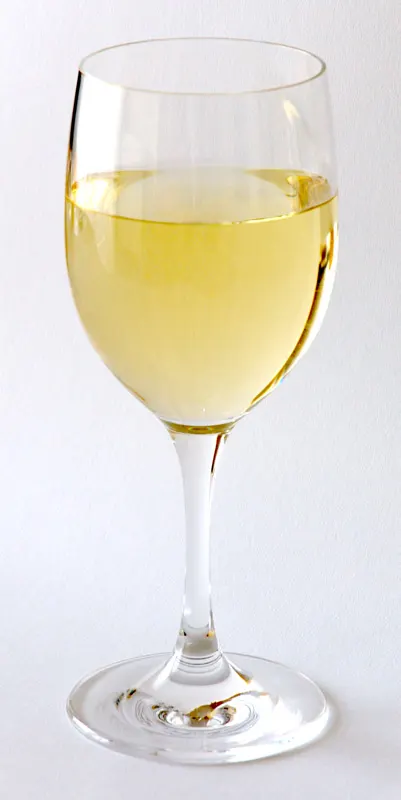
White wine is made from grape juice pressed off the skins before fermentation, so it takes up little colour or tannin. The juice is settled clear and fermented cool to keep its fruity aromas, and the wine is often bottled young after a rest in tank or on its lees.
Added to help the juice settle clear in one study's Albariño wineries[vazquez2022]
Yeast
Wild yeasts, or a selected Saccharomyces cerevisiae as in the wineries studied[tamang2016][vazquez2022]
Starter
spontaneous (wild yeasts) or a selected Saccharomyces cerevisiae
Total time across the recorded steps: 12 months
Start
Drag the bar or press Play
What changes:The press squeezes juice from the white grapes; the skins stay out of the ferment
Step 1 of 6
Press the grapes before fermentation
Time
Not documented
Temperature
Not documented
Salt
None given
Acidity
Not documented
Which microbes the steps name, step by step
Saccharomyces
Saccharomyces cerevisiae
Candida stellata
Torulaspora delbrueckii
A short cold soak of the crushed grapes before pressing is an admitted option (OIV Code sheet II.1.14). The OIV warns that too much sulphite, heat or time then pulls out phenolic compounds. Output: grape juice; skins and seeds are removed.
Flavour
Not documented
Texture
Not documented
Colour
Not documented
Microbes at work in this step
Not documented for this step.
Method
Measured measured in a studySet fixed by a specification or tested recipeReported one source reports itTypical a general value, not sourced for this fermentUnconfirmed not yet checked against a source
At a glance
White wine is made from grape juice pressed off the skins before fermentation, so it takes up little colour or tannin. The juice is settled clear and fermented cool to keep its fruity aromas, and the wine is often bottled young after a rest in tank or on its lees. Made in 6 steps over 12 months. The longest step, mature in tank or on fine lees, takes 12 months (Romanet R 2023). Saccharomyces cerevisiae, which the review names for wine fermentations in general and Non-Saccharomyces yeasts that the review names for wine in general do most of the fermenting.
Unlike red wine, the skins are pressed off before fermentation, the juice is settled clear, and fermentation runs cooler, about 10–20 °C rather than 20–30 °C. Malolactic fermentation, carried out in most reds, is done only in some white wines.
The OIV caps total SO₂ at 200 mg/L in dry white wine with no more than 4 g/L reducing sugars, and in the EU any food with more than 10 mg/L must be labelled as containing sulphites. The OIV methanol limit for white wine is 250 mg/L.
Wikipedia's article on white wine says the oldest trace of wine found so far dates to about 7,500 years ago in present-day Iran, and that German vineyards covered 400,000 hectares in the 15th century, about four times the 21st-century area. It also says that in the 17th century the Dutch market drew dry white wine from the port of Nantes, in today's Muscadet area.