Side-by-side or overlay PDF diff driven by one engine that reads each file into a structured model — text, vector geometry, images, form fields, annotations — and compares the models. Moves show as moves, edits show only where they happened, and any PDF type works without picking a mode.
Open a STEP / STP part and it measures itself — volume, thinnest wall, draft and undercut checks on load, plus hole detection with a BOM. Measure, section, export STL. Rust + WASM B-rep kernel, runs in your browser.
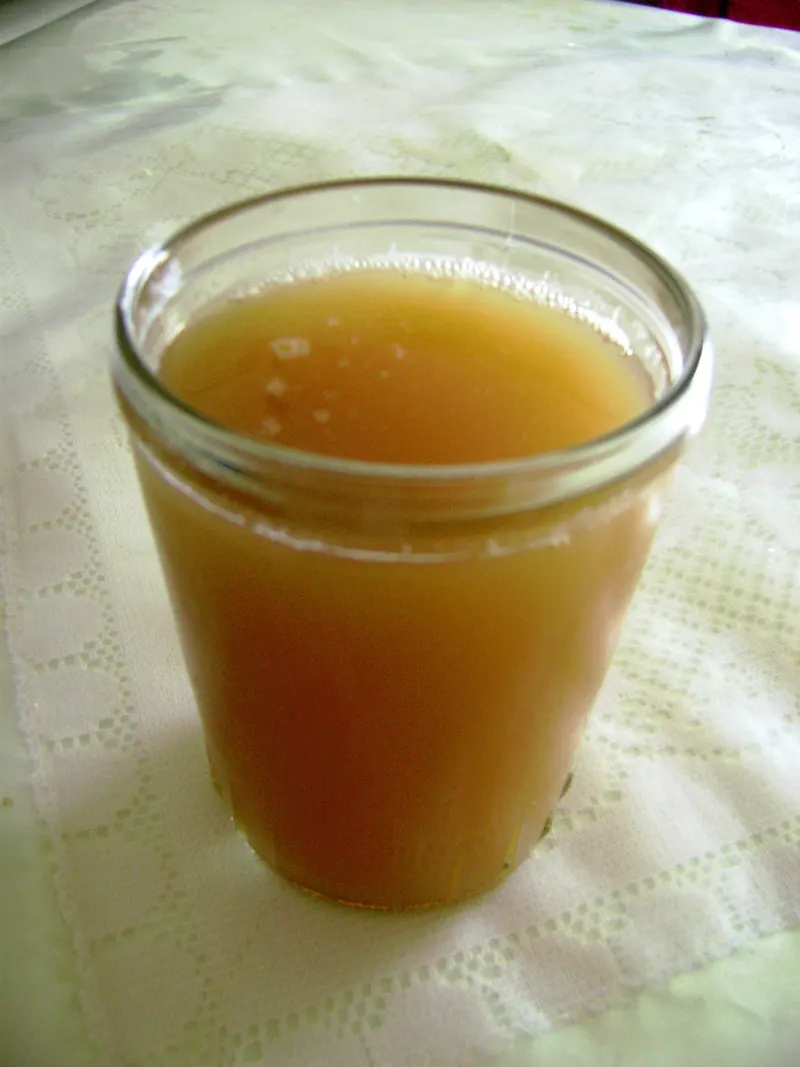
Chicha de jora (malted-maize chicha)chicha de jora
Maize is soaked and sprouted into jora, sun-dried, stone-ground and boiled for hours into a wort. The strained wort ferments in pots that are never washed out, so lactic bacteria and yeast from earlier batches start it. The result is a yellowish, lightly fizzy, sour maize beer.
Fully documentedAlcoholic drinks13 days – 52 days
Recipe
Photo: Dtarazona, Public domain, via Wikimedia Commons
Amounts from a sourceFAO gives a yield rather than a fixed recipe. 100 lb of shelled maize makes 14–15 gallons of chicha, and 40 lb of ground jora makes about 7 gallons. Each chichería has its own recipe.
spontaneous; the fermentation pots are used only for fermenting and never cleaned, so they are already inoculated (FAO). The borra, crumbled maize debris, can be used to inoculate the next batch (Bassi 2020).
Total time across the recorded steps: 13 days – 52 days
Start
Drag the bar or press Play
What changes:Water soaks into the maize kernels to start them sprouting
Step 1 of 6
Soak the maize
Time
12 h – 8 days
Reported
Temperature
Not documented
Salt
None given
Acidity
Not documented
Which microbes the steps name, step by step
Lactobacillus
Weissella
Leuconostoc
Lactococcus
Lactic acid bacteria
Output: soaked maize.
Flavour
Not documented
Texture
Not documented
Colour
Not documented
Microbes at work in this step
Not documented for this step.
Method
Measured measured in a studySet fixed by a specification or tested recipeReported one source reports itTypical a general value, not sourced for this fermentUnconfirmed not yet checked against a source
At a glance
Maize is soaked and sprouted into jora, sun-dried, stone-ground and boiled for hours into a wort. The strained wort ferments in pots that are never washed out, so lactic bacteria and yeast from earlier batches start it. The result is a yellowish, lightly fizzy, sour maize beer. Made in 6 steps over 13 days – 52 days. The longest step, ferment in the reused pots, takes 24 h – 15 days (Bassi D 2020). Lactobacillus and Weissella, Leuconostoc, Lactococcus and Streptococcus do most of the fermenting.
Chicha de jora gets its sugar from maize malt (jora), not from chewing as chicha de muko does. It ferments spontaneously in unwashed pots, so lactic bacteria lead and the drink is sour as well as alcoholic. Barley beer, by contrast, is boiled with hops and pitched with a pure yeast.
Made the same way, each with what its own sources record.
Abati (Paraguay, Argentina)
Alcoholic drinks from Paraguay, north-east Argentina
Abati is known only as a name in an FAO list of Latin American cereal ferments. Whether it is malted, chewed or made with another starter is not recorded.
Chicha is drunk fresh; left standing it turns to vinegar. A sequencing study of 27 Peruvian chichas found spoilage or pathogen groups (Bacillus, Clostridium, Enterobacteriaceae) in only a few samples, and FAO says there are no reports of toxic reactions. WHO says no level of alcohol use is safe for health.
Hazards the sources name: Bacillus, Clostridium and Enterobacteriaceae sequences, in only a few samples.
Chicha has been drunk in the Andes since before the Spanish conquest and is still made in family chicherías in Peru. It was offered to ask the thunder god for rain and drunk at sun and harvest festivals.