Side-by-side or overlay PDF diff driven by one engine that reads each file into a structured model — text, vector geometry, images, form fields, annotations — and compares the models. Moves show as moves, edits show only where they happened, and any PDF type works without picking a mode.
Open a STEP / STP part and it measures itself — volume, thinnest wall, draft and undercut checks on load, plus hole detection with a BOM. Measure, section, export STL. Rust + WASM B-rep kernel, runs in your browser.
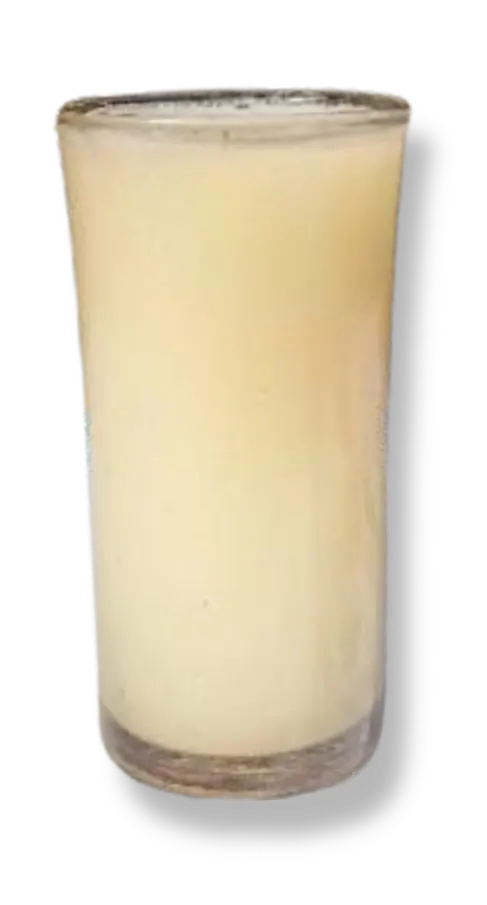
Tuak is the palm wine of the Batak of North Sumatra, made from the sap of the sugar palm (Arenga pinnata). Sap from the cut flower stalk runs into a container with pieces of raru bark, which is added to improve the taste and alcohol content, and it ferments for at least a day or two. A study of stored palm wine measured about 4.8–5.2 % ethanol over the first days in Bali.
Small pieces go in the collecting container and several pieces in the larger fermenting container[zulmi2024]
Starter
spontaneous (the natural wild yeasts of the sap; raru bark is added to stimulate the fermentation)
Total time across the recorded steps: 24 h
Start
Drag the bar or press Play
What changes:Sap runs from the cut flower stalk of the sugar palm into a container
Step 1 of 4
Tap the sugar palm
Time
Not documented
Temperature
Not documented
Salt
None given
Acidity
Not documented
Which microbes the steps name, step by step
Yeasts
Saccharomyces cerevisiae
Output: fresh sap (nira).
Flavour
Not documented
Texture
Not documented
Colour
Not documented
Microbes at work in this step
Not documented for this step.
Method
Measured measured in a studySet fixed by a specification or tested recipeReported one source reports itTypical a general value, not sourced for this fermentUnconfirmed not yet checked against a source
At a glance
Tuak is the palm wine of the Batak of North Sumatra, made from the sap of the sugar palm (Arenga pinnata). Sap from the cut flower stalk runs into a container with pieces of raru bark, which is added to improve the taste and alcohol content, and it ferments for at least a day or two. A study of stored palm wine measured about 4.8–5.2 % ethanol over the first days in Bali. Made in 4 steps over 24 h. The longest step, add raru bark and ferment, takes at least 24 h (Zulmi A.D.P 2024). Yeasts, chiefly Saccharomyces cerevisiae, that ferment aren sap does most of the fermenting.
Batak tuak is fermented with pieces of raru bark, added to improve the taste and alcohol content. For comparison, a study of a different additive, bayur wood root, in aren sap found it held the alcohol at 4 % for 64 hours and slowed the change of alcohol to acetic acid.
Ethanol in stored palm wine, Bali
4.839% on day 1, rising to 5.233% on day 3, then falling slowly to 4.927% on day 7. This is palm wine from Sanda village, Tabanan, Bali (Aryasa and colleagues, 2019, cited by Zulmi), not Batak tuak.
Zulmi and colleagues (2024) write that tuak has been part of popular culture since ancient times and is served at every traditional celebration. Wikipedia calls palm tuak a local drink symbol of North Sumatra, popular among the Batak.
Temperature, salt and pH
The sources we found give no temperature, salt or pH figure for any of its steps.