Side-by-side or overlay PDF diff driven by one engine that reads each file into a structured model — text, vector geometry, images, form fields, annotations — and compares the models. Moves show as moves, edits show only where they happened, and any PDF type works without picking a mode.
Open a STEP / STP part and it measures itself — volume, thinnest wall, draft and undercut checks on load, plus hole detection with a BOM. Measure, section, export STL. Rust + WASM B-rep kernel, runs in your browser.
Alcoholic drinks from Provence, France, which makes 40–45 % of French AOP rosé and about 5 % of the world's rosé
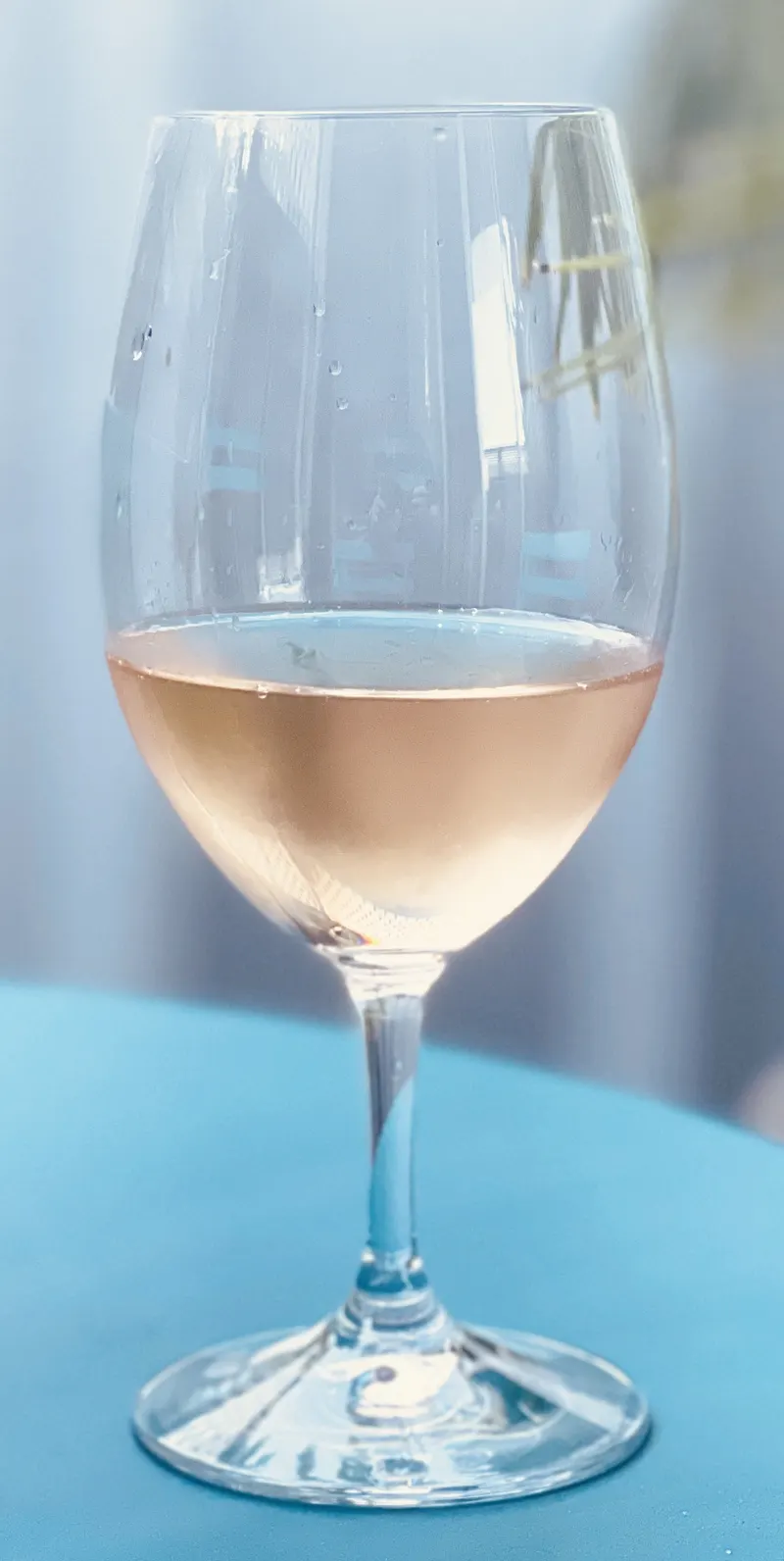
Rosé wine
Red grapes are crushed and left on their skins for only a few hours, or pressed straight away, so the juice takes up a little colour. The pink juice is pressed off, settled cold and fermented cool like a white wine.
Fully documentedAlcoholic drinks7.6 days – 16 daysFamily: Red wine
Amounts from a sourceAmounts from a pilot-scale trial at the Centre du Rosé (IFV, Vidauban); cellars set their own.
Red grapes
Grenache, Cinsault and Syrah in a Provence trial[leborgne2023]
Sodium hydrogen sulfite2.5 g per 100 kg of grapes, twice
Added at crushing and after maceration against oxidation and spoilage in the trial[leborgne2023]
Active dry wine yeast0.4 g/L
Rehydrated 20 min at 37 °C before it goes in[leborgne2023]
Starter
inoculated wine yeast (Saccharomyces cerevisiae)
Total time across the recorded steps: 7.6 days – 16 days
Start
Drag the bar or press Play
What changes:Starting material: red grapes, picked whole and kept cool
Step 1 of 6
Harvest and chill the red grapes
Time
Not documented
Temperature
12 °C
Reported
Salt
None given
Acidity
Not documented
Which microbes the steps name, step by step
Yeasts
Picked into 20 kg bins so the grapes are not crushed and start to macerate by accident. Output: whole bunches, kept uncrushed.
Flavour
Not documented
Texture
Not documented
Colour
Not documented
Microbes at work in this step
Not documented for this step.
Method
Measured measured in a studySet fixed by a specification or tested recipeReported one source reports itTypical a general value, not sourced for this fermentUnconfirmed not yet checked against a source
At a glance
Red grapes are crushed and left on their skins for only a few hours, or pressed straight away, so the juice takes up a little colour. The pink juice is pressed off, settled cold and fermented cool like a white wine. Made in 6 steps over 7.6 days – 16 days. The longest step, ferment cool to dryness, takes 7–15 days (Vins de Provence (vinsdeprovence.com)) and runs at 16–20 °C (Vins de Provence (vinsdeprovence.com)). Saccharomyces cerevisiae, as inoculated wine yeast does most of the fermenting.
Rosé starts like a red wine, from red grapes, but the juice stays on the skins for only hours, not days, and is then pressed and fermented cool without skins, like a white wine.
Direct-press roséBunches pressed slowly with no maceration; lighter rosés.
SaignéeAbout 5% to 15% of the juice is bled off a red-wine tank after a few hours and fermented as rosé.
Safety
Rosé is made with little skin contact, so the must is open to oxidation. In the trials sulfite was added at crushing and again after maceration, which protects against enzymatic and chemical oxidation. Bioprotection with Metschnikowia pulcherrima limits microbial spoilage but does not stop oxidation, so one study tested it together with oenological tannins and added 30 mg/L of SO2 at bottling.
Vins de Provence, the region's growers' body, dates Provence's first vines to the Phoceans who founded Marseille 2,600 years ago, and says wine from red grapes then came out rosé because red grapes were not yet macerated. The Romans began settling Provence in 200 BC. Local abbeys made wine from the 5th to 12th centuries, and phylloxera struck Provence from 1880. The Côtes de Provence AOP was recognised in 1977, Coteaux d'Aix-en-Provence in 1985 and Coteaux Varois en Provence in 1993.