Side-by-side or overlay PDF diff driven by one engine that reads each file into a structured model — text, vector geometry, images, form fields, annotations — and compares the models. Moves show as moves, edits show only where they happened, and any PDF type works without picking a mode.
Open a STEP / STP part and it measures itself — volume, thinnest wall, draft and undercut checks on load, plus hole detection with a BOM. Measure, section, export STL. Rust + WASM B-rep kernel, runs in your browser.
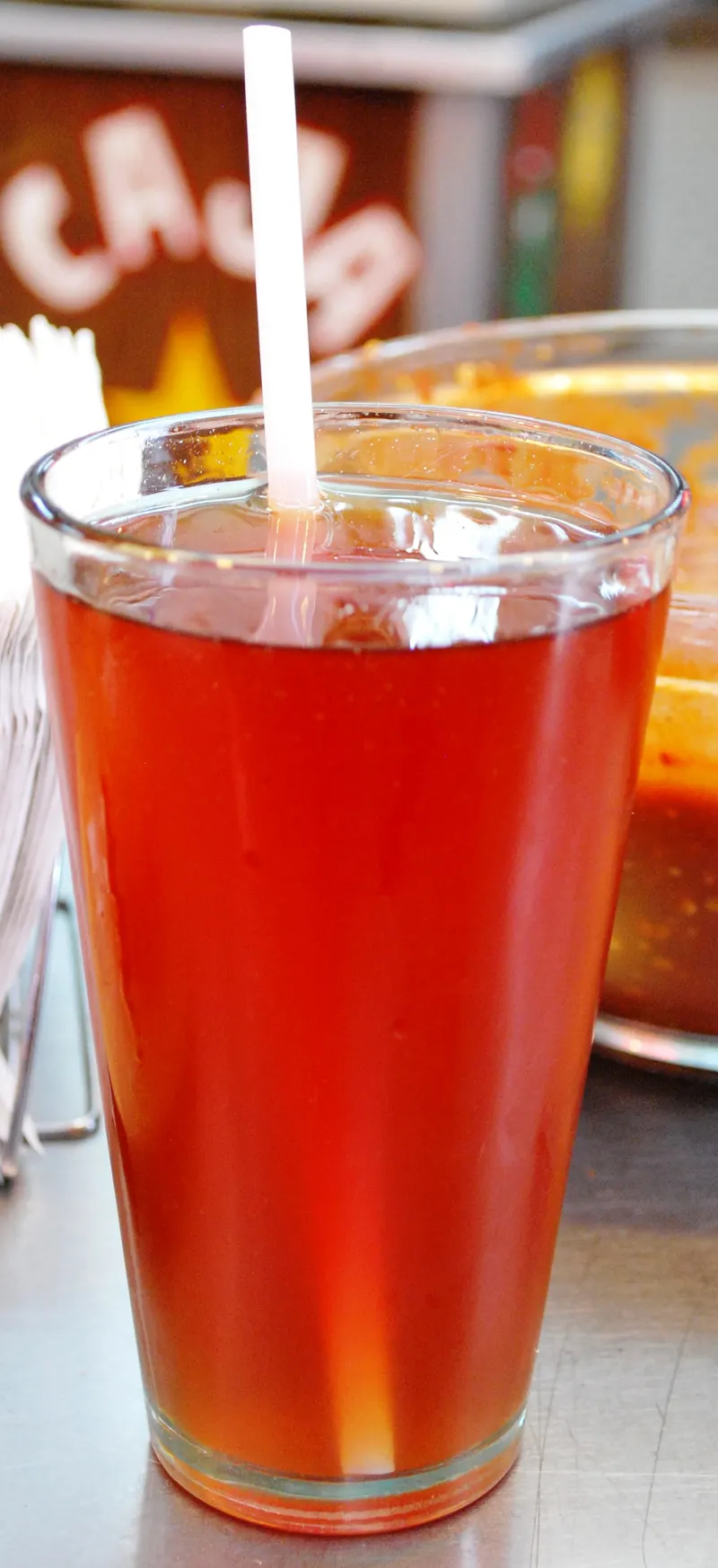
Tepache is a Mexican drink made by fermenting pineapple rind with piloncillo (unrefined cane sugar), water and spices for one to a few days. Wild yeasts and lactic bacteria make it sweet, refreshing and low in alcohol.
Amounts from a sourceOne homemade batch of about 4 L from Allshouse et al. 2025. Traditional tepache has no fixed recipe; FAO describes fruit, water and some brown sugar.
spontaneous (fermented naturally); tibicos (water kefir grains) are also used
Total time across the recorded steps: 24 h – 4 days
Start
Drag the bar or press Play
What changes:The pineapple is peeled; the rind and core go into the ferment
Step 1 of 6
Peel the pineapple
Time
Not documented
Temperature
Not documented
Salt
None given
Acidity
Not documented
Which microbes the steps name, step by step
Lactic acid bacteria
Yeasts
Acetic acid bacteria
Output: rind and core; the flesh is eaten separately.
Flavour
Not documented
Texture
Not documented
Colour
Not documented
Microbes at work in this step
Not documented for this step.
Method
Measured measured in a studySet fixed by a specification or tested recipeReported one source reports itTypical a general value, not sourced for this fermentUnconfirmed not yet checked against a source
At a glance
Tepache is a Mexican drink made by fermenting pineapple rind with piloncillo (unrefined cane sugar), water and spices for one to a few days. Wild yeasts and lactic bacteria make it sweet, refreshing and low in alcohol. Made in 6 steps over 24 h – 4 days. The longest step, ferment for one to a few days, takes 24 h – 4 days (Battcock M 1998) and runs at 22 °C (Allshouse T. et al. 2025). Lactic acid bacteria and Lactococcus lactis do most of the fermenting.
Tepache is a quick, spontaneous ferment, usually of pineapple rind and core, and it is drunk after a day or two, before it turns alcoholic and then sour. Older tepache was made from maize, and apple, orange, guava or bromeliad fruit are also used.
Tepache de tibicosStarted with tibicos (water kefir grains), the same culture used for colonche.
Tepache from other fruitApple, orange or guava; in western Mexico also the bromeliad Bromelia karatas (timbiriche).
Maize tepache (tepitl)The maize drink the Nahuatl name tepitl points to, made in the past and in a few localities.
Safety
Tepache relies on wild microbes, so batches differ. One homemade batch was dominated by Bacillus instead of lactic bacteria and carried a tetracycline-resistance gene. Ethanol reached 3.39 g/L (about 0.4 % by volume) after 72 h in one study. The US TTB treats kombucha that reaches 0.5 % alcohol at any time, including after bottling, as an alcohol beverage; a drink that keeps fermenting can pass that level. Washington State University warns that a home soda left to over-ferment in a closed container can build enough pressure to burst the bottle. No source we read sets a safe keeping time for tepache; the one homemade batch was strained and stored at 4 °C.
Hazards the sources name: Antibiotic-resistant bacteria (the tetM tetracycline-resistance gene in one homemade batch).
Ojeda-Linares et al. (2021) note that the Nahuatl name derives from tepitl, a maize beverage made in the past and in a few localities, and suggest tepache derives from an ancient maize beverage. They say pineapple is now the most common substrate in central Mexico. FAO (1998) also says tepache was once prepared from maize.