Side-by-side or overlay PDF diff driven by one engine that reads each file into a structured model — text, vector geometry, images, form fields, annotations — and compares the models. Moves show as moves, edits show only where they happened, and any PDF type works without picking a mode.
Open a STEP / STP part and it measures itself — volume, thinnest wall, draft and undercut checks on load, plus hole detection with a BOM. Measure, section, export STL. Rust + WASM B-rep kernel, runs in your browser.
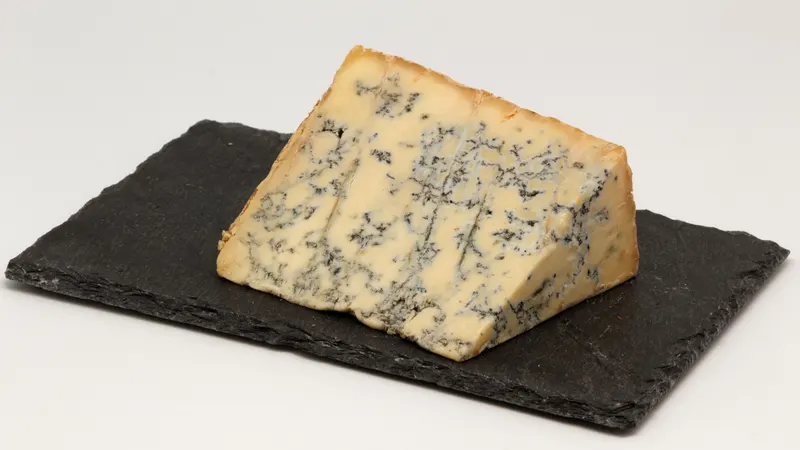
Pasteurised cow milk from three English counties is set with a starter and rennet, and the curd is left until the next day, then milled to walnut-size pieces, salted and tipped into tall moulds with no pressing. The cheese drains for up to a week, its surface is smoothed into a coat, and at about six weeks it is pierced so the blue mould can grow.
Added to the milk or sprayed on the curd; not used for White Stilton[defra-spec]
Salt
Mixed into the milled curd before moulding[defra-spec]
Starter
mesophilic lactic starter (Lactococcus lactis) plus Penicillium roqueforti
Total time across the recorded steps: 49 days – 3 months
Start
Drag the bar or press Play
What changes:Starter, rennet and blue mould spores go into pasteurised milk and it sets
Step 1 of 7
Pasteurise the milk and add starter, rennet and blue mould
Time
Not documented
Temperature
Not documented
Salt
None given
Acidity
Not documented
Which microbes the steps name, step by step
Moulds
Penicillium roqueforti
Lactobacilli
Yeasts
The specification sets no temperature or time for this step. Output: curd.
Flavour
Not documented
Texture
milk sets to a gel
Colour
white
Microbes at work in this step
the starter begins souring the milk; mould spores go in with it
Method
Measured measured in a studySet fixed by a specification or tested recipeReported one source reports itTypical a general value, not sourced for this fermentUnconfirmed not yet checked against a source
At a glance
Pasteurised cow milk from three English counties is set with a starter and rennet, and the curd is left until the next day, then milled to walnut-size pieces, salted and tipped into tall moulds with no pressing. The cheese drains for up to a week, its surface is smoothed into a coat, and at about six weeks it is pierced so the blue mould can grow. Made in 7 steps over 49 days – 3 months. The longest step, ripen as the blue veins grow, takes 42 days – 2.8 months (Defra 2013). Lactococcus lactis (starter), about 70 % of colonies seen in the core and Penicillium roqueforti do most of the fermenting.
Stilton is made with no applied pressure, and its curd waits until the next day before it is milled and salted. Only pasteurised milk from the three counties is allowed, with milk from listed neighbouring counties permitted in times of shortage. Roquefort, by contrast, uses raw ewe milk, is not milled, and ripens in natural caves.
Milk
Pasteurised cow milk from Leicestershire, Derbyshire and Nottinghamshire
Curd
The next day the curd is cut into blocks, milled to walnut-size pieces, salted and tipped into moulds; no pressure is applied
Draining
Up to 7 days in a controlled room, turned regularly; then the surface is smoothed to form the coat
Piercing
Pierced with stainless needles at about 6 weeks
Ripening
Blue Stilton 6–12 weeks; Mature Blue 10–15 weeks; Vintage Blue over 15 weeks
The specification says the cheese took its name from the Bell Inn at Stilton, a coaching stop on the London to York road, where it was first sold to the public. It cites Daniel Defoe in 1727 passing through Stilton, "a town famous for cheese". From the middle of the 18th century nearly all of it was made on farms in Leicestershire, later also in Nottinghamshire and Derbyshire. In 1911 twelve farmers met at Long Clawson and formed a company to make it, the first of several cooperatives set up to make it in better conditions than on the farm.