Side-by-side or overlay PDF diff driven by one engine that reads each file into a structured model — text, vector geometry, images, form fields, annotations — and compares the models. Moves show as moves, edits show only where they happened, and any PDF type works without picking a mode.
Open a STEP / STP part and it measures itself — volume, thinnest wall, draft and undercut checks on load, plus hole detection with a BOM. Measure, section, export STL. Rust + WASM B-rep kernel, runs in your browser.
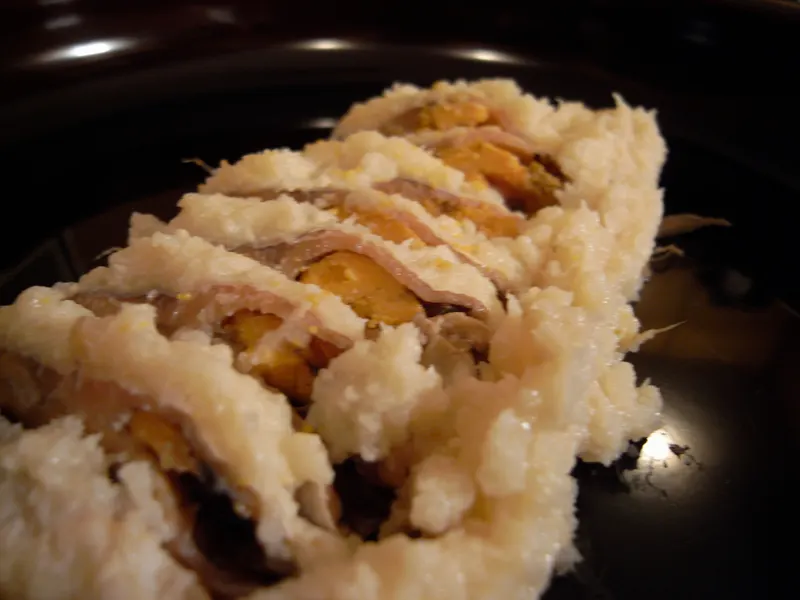
Saba no kōji-zuke is salted mackerel layered in a tub with cooked rice, rice koji, ginger and red chilli, then weighted and left to ferment. In the mountain town of Chizu, households made it from December for New Year. It can be eaten after half a month to a month and is said to be best at 20–30 days.
natural fermentation of the salted fish and rice, with rice koji (米糀) mixed in
Total time across the recorded steps: 15 days – 30 days
Start
Drag the bar or press Play
What changes:Salted mackerel is filleted and washed in vinegar diluted with water
Step 1 of 5
Fillet the salted mackerel and wash in diluted vinegar
Time
Not documented
Temperature
Not documented
Salt
None given
Acidity
Not documented
Which microbes the steps name, step by step
Latilactobacillus sakei
Leuconostoc
Lactic acid bacteria
Moulds
Flavour
Not documented
Texture
Not documented
Colour
Not documented
Microbes at work in this step
Not documented for this step.
Method
Measured measured in a studySet fixed by a specification or tested recipeReported one source reports itTypical a general value, not sourced for this fermentUnconfirmed not yet checked against a source
At a glance
Saba no kōji-zuke is salted mackerel layered in a tub with cooked rice, rice koji, ginger and red chilli, then weighted and left to ferment. In the mountain town of Chizu, households made it from December for New Year. It can be eaten after half a month to a month and is said to be best at 20–30 days. Made in 5 steps over 15 days – 30 days. The longest step, cover, weight and ferment, takes 15–30 days (Tottori Prefecture 2026). Latilactobacillus sakei and Leuconostoc species, the psychrotrophic lactic acid bacteria found in related izushi-style narezushi (fish fermented with rice and koji), namely nezushi from Gifu, izushi from Hokkaido and kabura-zushi from Kanazawa; no study of Tottori koji-zuke itself was found does most of the fermenting.
Rice koji goes in with the rice, which promotes the ferment and adds sweetness through saccharification (the izushi type), where a rice-only narezushi uses cooked rice alone. Chilli and ginger are added to take away the fish smell and bring out its umami.
The source gives no salt percentage, pH or fermenting temperature, so nothing here shows that botulism is controlled. Japan's agriculture ministry lists home-made izushi and similar fish ferments as botulism foods, and izushi caused 14 of the 29 food botulism incidents reported in Japan from 1984 to 2026. Japan's health ministry names mackerel among the main fish behind histamine poisoning, and the FDA says histamine can form during salting and fermenting, that refrigeration holds it back, and that cooking or freezing cannot remove it. The fish may be eaten uncooked, and Japan's health ministry says ordinary vinegar or salting does not kill Anisakis larvae in mackerel; freezing at -20 °C for at least 24 hours does. The makers start it in December, but the source does not say how cold the tub stays, and the FDA says botulinum toxin forms faster when warm. Read this as a record of their recipe, not a method shown to be safe.
In Chizu, a mountain town where fresh fish and sashimi were once out of reach and only salted fish could be had, households pickled salted mackerel in koji each December and took out what they needed from the tub, for New Year dishes and as a snack with sake.