Side-by-side or overlay PDF diff driven by one engine that reads each file into a structured model — text, vector geometry, images, form fields, annotations — and compares the models. Moves show as moves, edits show only where they happened, and any PDF type works without picking a mode.
Open a STEP / STP part and it measures itself — volume, thinnest wall, draft and undercut checks on load, plus hole detection with a BOM. Measure, section, export STL. Rust + WASM B-rep kernel, runs in your browser.
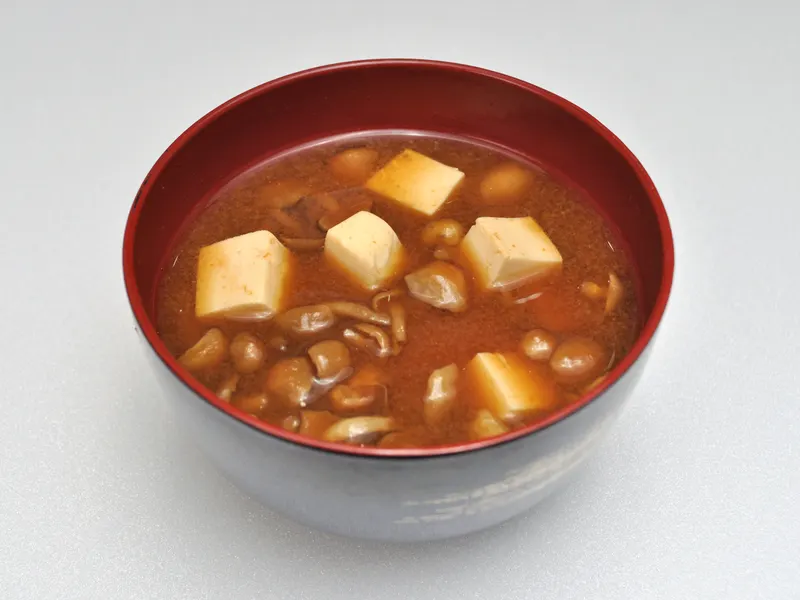
Akadashi miso is a blended miso built on Tōkai mame miso. A long-aged soybean-koji miso is mixed with rice miso, sugars and glutamate and nucleotide seasonings, then ground and strained smooth. It is not a separate fermentation; the blending softens the strong mame miso for quick red miso soup.
koji grown on soybean balls for the mame miso base
Total time across the recorded steps: 6.1 months – 12 months
Start
Drag the bar or press Play
What changes:Koji mould grows over balls of steamed soybean for about two days
Step 1 of 5
Grow soybean koji balls for the mame miso base
Time
43 h
Reported
Temperature
27–30 °C
Reported
Salt
None given
Acidity
Not documented
Which microbes the steps name, step by step
Lactic acid bacteria
Bacillus
Aspergillus oryzae
The steamed beans are shaped into balls at about 55 °C, and seed koji is spread with roasted flour at 2–3 % of the bean weight. Output: soybean koji balls (mame koji).
Flavour
Not documented
Texture
Not documented
Colour
Not documented
Microbes at work in this step
koji mould grows on the surface of steamed-soybean balls while lactic bacteria grow inside and Bacillus is held back
Method
Measured measured in a studySet fixed by a specification or tested recipeReported one source reports itTypical a general value, not sourced for this fermentUnconfirmed not yet checked against a source
At a glance
Akadashi miso is a blended miso built on Tōkai mame miso. A long-aged soybean-koji miso is mixed with rice miso, sugars and glutamate and nucleotide seasonings, then ground and strained smooth. It is not a separate fermentation; the blending softens the strong mame miso for quick red miso soup. Made in 5 steps over 6.1 months – 12 months. The longest step, age the mame miso base, takes 6–12 months (Takeuchi T. 1988). Salt is 10.5–11 % (Takeuchi T. 1988). Aspergillus oryzae and Lactic acid bacteria inside the miso-dama koji balls of the base do most of the fermenting.
Akadashi is not a separate fermentation. It is mame miso softened with rice miso, sugars and umami seasonings and strained smooth. The 1973 miso labelling proposal grouped akadashi with other blends as chōgō (blended) miso [Miyaji1973].
Akadashi was first a cooking word for a soup made with mame miso [Ishida1969, JA-WIKI-赤だし]. By the late 1960s Tōkai makers sold akadashi and mixed misos as secondary products of mame miso, and by 1988 blended misos were being developed mainly in the Tōkai region [Ishida1969, Takeuchi1988]. Cooks at restaurants used to grind and blend mame miso and rice miso themselves; Morita of Nagoya first sold the blend as "akadashi miso" in 1954, and Ōta Shōten of Okazaki began selling Hatchō miso blended with rice-koji miso in 1956. In 1957 a trial blend for the Kansai market mixed 70 % rice miso from Toyama with 30 % Hatchō miso from Kakukyū, plus caramel, starch syrup and a chemical seasoning [JA-WIKI-赤だし].