Side-by-side or overlay PDF diff driven by one engine that reads each file into a structured model — text, vector geometry, images, form fields, annotations — and compares the models. Moves show as moves, edits show only where they happened, and any PDF type works without picking a mode.
Open a STEP / STP part and it measures itself — volume, thinnest wall, draft and undercut checks on load, plus hole detection with a BOM. Measure, section, export STL. Rust + WASM B-rep kernel, runs in your browser.
Hansik doenjang and hansik ganjang — made together from meju in brine한식된장
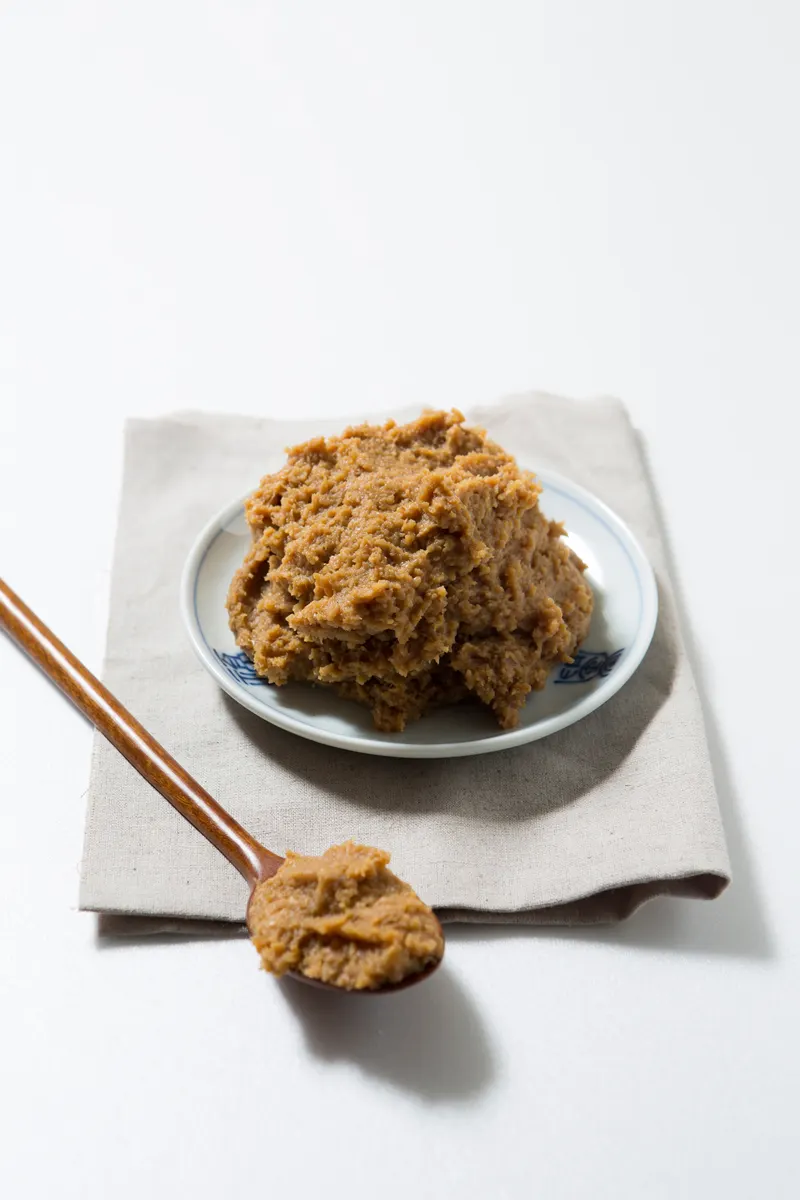
Fermented soybean bricks (meju) steep for about two months in salt brine with charcoal and dried chillies in a crock. The liquid is then drawn off and aged as soup soy sauce (guk-ganjang), and the softened bricks are mashed and aged as doenjang. One brining gives both sauces.
Fully documentedSoy and legumes20 months – 2.2 years
none defined: traditional ganjang comes from soaking spontaneously fermented meju, without defined starter cultures (Han 2026, Chin 2024); the meju carries Bacillus and Aspergillus, and the Tetragenococcus that takes over in the brine is rarely found in meju (Chin 2024)
Total time across the recorded steps: 20 months – 2.2 years
Start
Drag the bar or press Play
What changes:Salt brine soaks into the meju bricks while their flavour moves into the brine
Step 1 of 4
Steep the meju in brine with charcoal and chillies
Time
2 months
Reported
Temperature
25–30 °C
Reported
Salt
17–18 %
Reported
Acidity
Not documented
Which microbes the steps name, step by step
Bacillus
Tetragenococcus
Yeasts
Aspergillus
Output: dark brine and softened meju.
Flavour
Not documented
Texture
meju softens
Colour
Not documented
Microbes at work in this step
meju enzymes dissolve into the brine; the Bacillus and Aspergillus of the meju give way to salt-tolerant Tetragenococcus, Staphylococcus and yeasts
Method
Measured measured in a studySet fixed by a specification or tested recipeReported one source reports itTypical a general value, not sourced for this fermentUnconfirmed not yet checked against a source
At a glance
Fermented soybean bricks (meju) steep for about two months in salt brine with charcoal and dried chillies in a crock. The liquid is then drawn off and aged as soup soy sauce (guk-ganjang), and the softened bricks are mashed and aged as doenjang. One brining gives both sauces. Made in 4 steps over 20 months – 2.2 years. The longest step, age the liquid as ganjang, takes 5.9–12 months (Song D.H 2021). Salt is 17–18 % (Song D.H 2021). Bacillus and Aspergillus do most of the fermenting.
Hansik jang starts from whole meju bricks and needs no starter culture, unlike modernised ganjang, which is inoculated with Aspergillus oryzae (Chin 2024). One brining gives two products, the liquid (ganjang) and the solids (doenjang). Doenjang of the other Food Code type is made from grain or soybean koji instead.
Tojangdoenjang mashed from meju left after ganjang is drawn off
Jangjaeless brine from the start, so no soy sauce is drawn off
Doenjang of the Food Code type (factory-made)made from soybean, rice, barley, wheat or defatted soy cultured with koji mould, then mixed with salt; factory versions often add wheat flour (Wikipedia)
Ssamjangdoenjang blended with gochujang, garlic and sesame oil; mixed, not fermented
Korea's Food Code limits Bacillus cereus in jang (except meju) to 10,000 CFU per g. In a survey of 36 cottage-industry doenjang, 5 carried B. cereus and 3 were above that limit, most likely from raw materials or poor hygiene. The Food Code also limits ochratoxin A in meju to 20 µg/kg.
Hazards the sources name: Bacillus cereus (in 5 of 36 cottage doenjang; 3 above the Korean limit, up to 6.15 log CFU/g).
Jang making was designated a national intangible heritage in Korea in 2018 (Ministry of Foreign Affairs). On 3 December 2024 the UNESCO intangible heritage committee, meeting in Asunción, decided to add Korean jang making to its Representative List. UNESCO's summary says the practice is passed on within families, primarily from mothers and mothers-in-law to their daughters and daughters-in-law.