Side-by-side or overlay PDF diff driven by one engine that reads each file into a structured model — text, vector geometry, images, form fields, annotations — and compares the models. Moves show as moves, edits show only where they happened, and any PDF type works without picking a mode.
Open a STEP / STP part and it measures itself — volume, thinnest wall, draft and undercut checks on load, plus hole detection with a BOM. Measure, section, export STL. Rust + WASM B-rep kernel, runs in your browser.
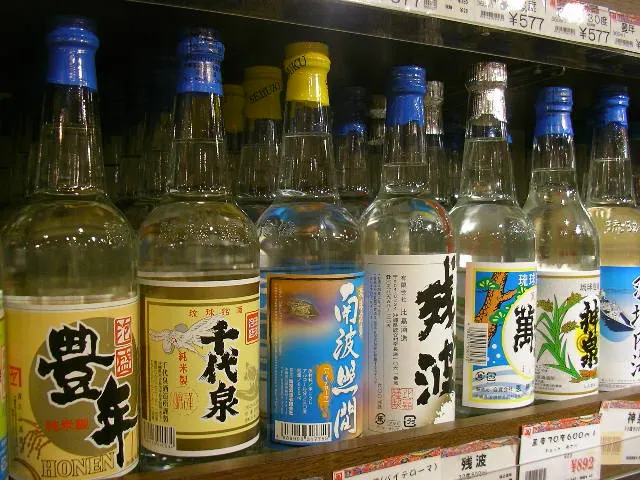
Awamori is Okinawa's rice spirit. All of the rice is first grown into black koji, then fermented in one stage with water and yeast for about two weeks and distilled once in a pot still. It is aged in clay jars or tanks; spirit aged three years or more is called kusu.
Total time across the recorded steps: 6.5 months – 6.6 months
Start
Drag the bar or press Play
What changes:Water soaks into the washed Thai rice
Step 1 of 6
Wash and soak the rice
Time
Not documented
Temperature
Not documented
Salt
None given
Acidity
Not documented
Which microbes the steps name, step by step
Moulds
Yeasts
Aspergillus luchuensis
Saccharomyces cerevisiae
Output: washed, soaked rice.
Flavour
Not documented
Texture
Not documented
Colour
Not documented
Microbes at work in this step
Not documented for this step.
Method
Measured measured in a studySet fixed by a specification or tested recipeReported one source reports itTypical a general value, not sourced for this fermentUnconfirmed not yet checked against a source
At a glance
Awamori is Okinawa's rice spirit. All of the rice is first grown into black koji, then fermented in one stage with water and yeast for about two weeks and distilled once in a pot still. It is aged in clay jars or tanks; spirit aged three years or more is called kusu. Made in 6 steps over 6.5 months – 6.6 months. The longest step, dilute and age; kusu after three years, takes at least 6 months (Okinawa Prefecture Sake Brewers Association 2019). Aspergillus luchuensis and Saccharomyces cerevisiae do most of the fermenting.
Awamori uses black koji for all of its rice and ferments it in one stage, with no extra rice or other ingredients added later, which most shochu does. The GI requires Okinawa water and a single pot distillation in Okinawa. It ages in jars or bottles rather than wooden casks, and keeps maturing after bottling, so consumers raise their own kusu by the shitsugi custom.
Hanazake (花酒)Especially strong awamori, named for the bloom of foam it forms when poured.
Safety
Okinawa's climate is hot and humid, so a mash is likely to spoil from stray microbes. Black koji makes more citric acid than other koji moulds, and the acid protects the fermenting mash. Distillation later removes the acid.
The method reached Ryukyu more than 500 years ago through trade with Southeast Asia and the mainland. One story says the name ("bubble heap") comes from pouring the spirit from a height to judge its strength by the foam.