Side-by-side or overlay PDF diff driven by one engine that reads each file into a structured model — text, vector geometry, images, form fields, annotations — and compares the models. Moves show as moves, edits show only where they happened, and any PDF type works without picking a mode.
Open a STEP / STP part and it measures itself — volume, thinnest wall, draft and undercut checks on load, plus hole detection with a BOM. Measure, section, export STL. Rust + WASM B-rep kernel, runs in your browser.
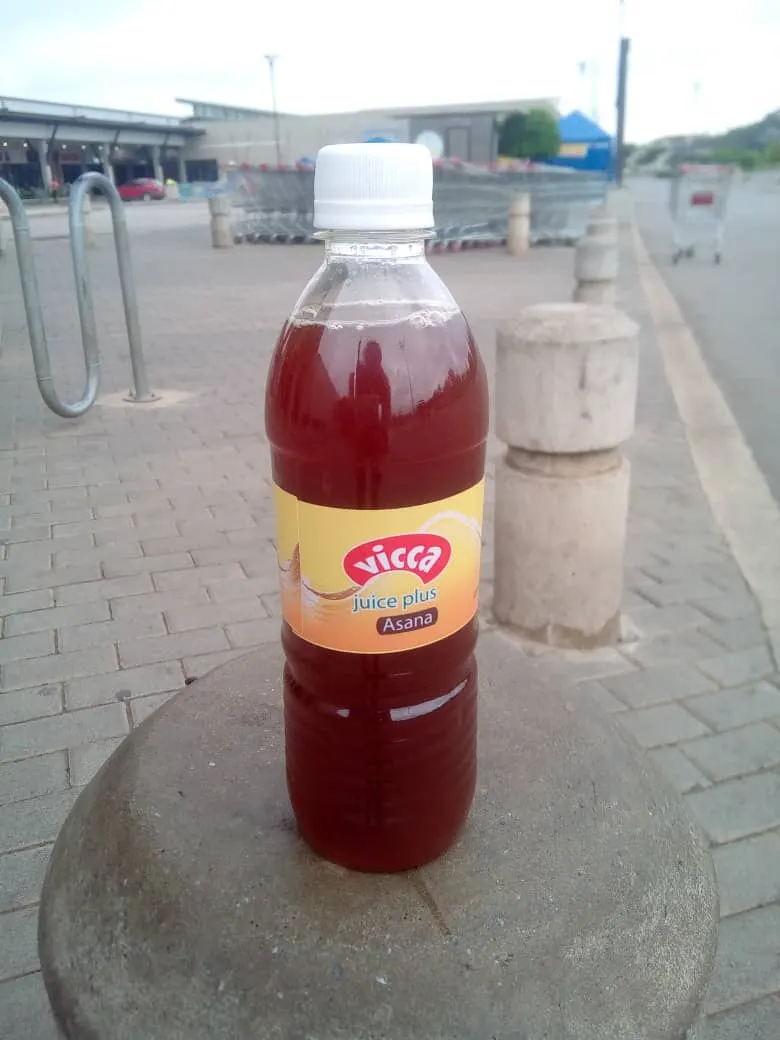
Asaana is a sweet-sour Ghanaian drink made from malted maize and caramelised sugar. The malt is milled, soaked overnight and boiled until the foam clears, then strained and left to ferment for about three days. It is also called aliha.
Caramel and sugar are named as main ingredients by producers[madilo2022]
Starter
spontaneous; some producers backslop from an earlier batch
Total time across the recorded steps: 3 days
Start
Drag the bar or press Play
What changes:Starting material: maize malt
Step 1 of 5
Start from maize malt
Time
Not documented
Temperature
Not documented
Salt
None given
Acidity
Not documented
Which microbes the steps name, step by step
Lactic acid bacteria
L. fermentum
Yeasts
Output: maize malt.
Flavour
Not documented
Texture
Not documented
Colour
Not documented
Microbes at work in this step
Not documented for this step.
Method
Measured measured in a studySet fixed by a specification or tested recipeReported one source reports itTypical a general value, not sourced for this fermentUnconfirmed not yet checked against a source
At a glance
Asaana is a sweet-sour Ghanaian drink made from malted maize and caramelised sugar. The malt is milled, soaked overnight and boiled until the foam clears, then strained and left to ferment for about three days. It is also called aliha. Made in 5 steps over 3 days. The longest step, ferment the wort, takes 3 days (Madilo F.K 2025). Lactic acid bacteria, which rise as the acid climbs between 24 and 72 h and Strains of Limosilactobacillus fermentum and the yeast Pichia kudriavzevii, tested as starters for aliha do most of the fermenting.
Asaana is made from boiled, strained malt liquor that ferments for about three days and is coloured with caramelised sugar. Thobwa and togwa start from a cooked cereal porridge with malt stirred in.
Backslopped alihaStarted with liquid from an earlier batch; a 2022 study advises it over the original method for safety and speed, while a 2025 study prefers defined starters.
Starter-culture alihaFermented 24 h with Limosilactobacillus fermentum and Pichia kudriavzevii in trials.
Safety
In a study of asaana sold at one Ghanaian university cafeteria, the drink carried high counts of bacteria and fungi, including E. coli, because of poor hygiene during preparation and storage. A 2022 study of 126 aliha producers found the 'original' method highly contaminated and advised backslopping for safety and to shorten production. A 2025 study instead recommends defined starter cultures over natural fermentation or backslopping, citing safety concerns with both; in its trial, aliha made with starter cultures had lower hygiene-indicator counts, Enterobacteriaceae among them, than spontaneously fermented aliha. Keep the drink cold.
Hazards the sources name: Enterobacteriaceae, high early in fermentation; the 'original' method was highly contaminated; Escherichia coli and total counts above 10^6 CFU/ml in asaana sold at a Ghanaian university cafeteria.
Wikipedia says asaana originated in the Volta Region of Ghana, where it is known as aliha.
[madilo2022] Madilo F.K., Parry-Hanson Kunadu A., Tano-Debrah K., Mensah G.I., Saalia F.K., Kolanisi U. 2022, Process and product characterization of aliha, a maize-based Ghanaian indigenous fermented beverage, Journal of Food Quality 2022:5604342, doi:10.1155/2022/5604342 (abstract)paper
[aboagye2020] Aboagye G., Gbolonyo-Cass S., Kortei N.K., Annan T. 2020, Microbial evaluation and some proposed good manufacturing practices of locally prepared malted corn drink (asaana) and Hibiscus sabdariffa calyxes extract (sobolo) beverages sold at a university cafeteria in Ghana, Scientific African 8:e00330, doi:10.1016/j.sciaf.2020.e00330 (abstract)paper