Side-by-side or overlay PDF diff driven by one engine that reads each file into a structured model — text, vector geometry, images, form fields, annotations — and compares the models. Moves show as moves, edits show only where they happened, and any PDF type works without picking a mode.
Open a STEP / STP part and it measures itself — volume, thinnest wall, draft and undercut checks on load, plus hole detection with a BOM. Measure, section, export STL. Rust + WASM B-rep kernel, runs in your browser.
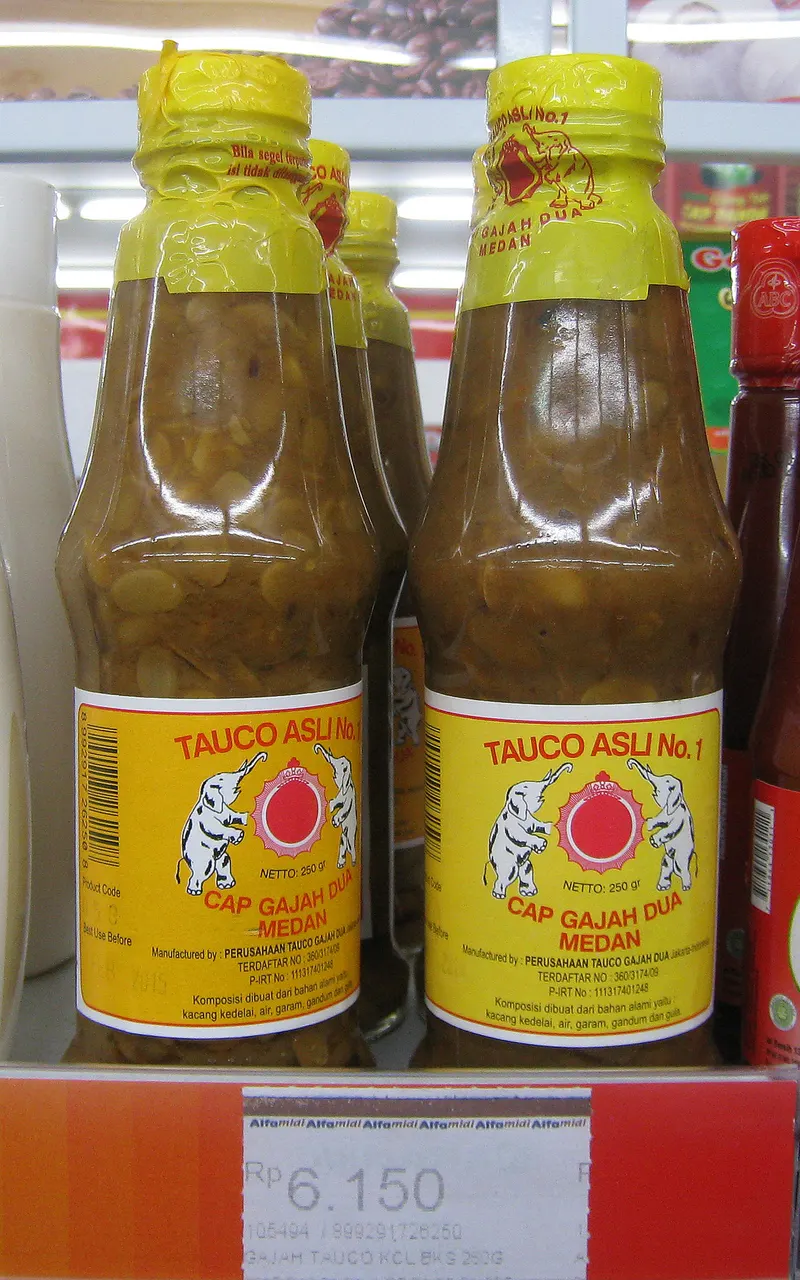
Boiled soybeans are left on bamboo trays for a few days until mould covers them, then soaked in brine for one to three months. In Cianjur the brined beans are also sun-dried, and most tauco is finally cooked with palm sugar and seasonings into a salty or sweet bean paste.
Fully documentedSauces and condiments27 days – 3.5 months
Amounts from a sourceArtisan practice from a survey of makers in Cianjur, Pekalongan and Singkawang (Seveline et al.). There is no fixed batch; the brine strengths are each region's practice, not a tested recipe.
spontaneous mould (Cianjur, Pekalongan) or commercial tempeh starter (Singkawang)
Total time across the recorded steps: 27 days – 3.5 months
Start
Drag the bar or press Play
What changes:Soaked soybeans are boiled until soft
Step 1 of 5
Soak and boil the soybeans
Time
Not documented
Temperature
Not documented
Salt
None given
Acidity
Not documented
Which microbes the steps name, step by step
Moulds
Yeasts
Output: soft boiled soybeans; in Pekalongan mixed with rice flour and rolled into balls.
Flavour
Not documented
Texture
Not documented
Colour
Not documented
Microbes at work in this step
Not documented for this step.
Method
Measured measured in a studySet fixed by a specification or tested recipeReported one source reports itTypical a general value, not sourced for this fermentUnconfirmed not yet checked against a source
At a glance
Boiled soybeans are left on bamboo trays for a few days until mould covers them, then soaked in brine for one to three months. In Cianjur the brined beans are also sun-dried, and most tauco is finally cooked with palm sugar and seasonings into a salty or sweet bean paste. Made in 5 steps over 27 days – 3.5 months. The longest step, ferment in brine, takes 25 days – 3.3 months (Seveline S 2025). Salt is 9.5–20 % (Seveline S 2025). Moulds growing on the beans, spontaneous in Cianjur and Pekalongan, from tempeh starter in Singkawang and Yeasts do most of the fermenting.
Tauco is a moulded-bean paste like miso and Chinese bean pastes, but its mould comes from the air or from tempeh starter, not a koji culture. Cianjur tauco is sun-dried after brining and is usually cooked with sugar before sale.
Soft sweet tauco (tauco Cianjur)The most popular type; about 25 % palm sugar by weight.
Salty liquid taucoThin and salty, sometimes called black bean sauce.
Firm dried tauco (tauco kering)Sold as sun-dried cakes; a smoked dried form also exists.
Pekalongan taucoBeans mixed with rice flour and moulded as balls; brined 30 days and packed uncooked in pandan-leaf wrapping.
Singkawang taucoMoulded with commercial tempeh starter; brined 25 days in the dark, giving a wetter, more liquid paste.
Safety
The brine ranges from about 9.5 % to 20 % salt and most tauco is cooked before sale. The mould stage relies on wild or tempeh moulds. A review of Southeast Asian fermented foods names ochratoxin, citrinin and aflatoxins as their main mycotoxins and reports aflatoxin in brands of tương, a related moulded soybean paste. It says data are scarce, and no study we found tested tauco. Most mould toxins survive food processing (WHO), so do not count on cooking to remove them. Start from sound raw beans, and throw out any that look mouldy or discoloured before soaking.
Hazards the sources name: Aflatoxin, reported in brands of tương, a related moulded soybean paste (from a review); no study we found tested tauco.
The Dutch chemist Prinsen Geerligs first described tauco in 1895 and 1896, reporting that the soybeans were inoculated with hibiscus leaves (waroe). The name comes from the Hokkien word for soybean paste, and production centred in Cianjur, between Bogor and Bandung.