Side-by-side or overlay PDF diff driven by one engine that reads each file into a structured model — text, vector geometry, images, form fields, annotations — and compares the models. Moves show as moves, edits show only where they happened, and any PDF type works without picking a mode.
Open a STEP / STP part and it measures itself — volume, thinnest wall, draft and undercut checks on load, plus hole detection with a BOM. Measure, section, export STL. Rust + WASM B-rep kernel, runs in your browser.
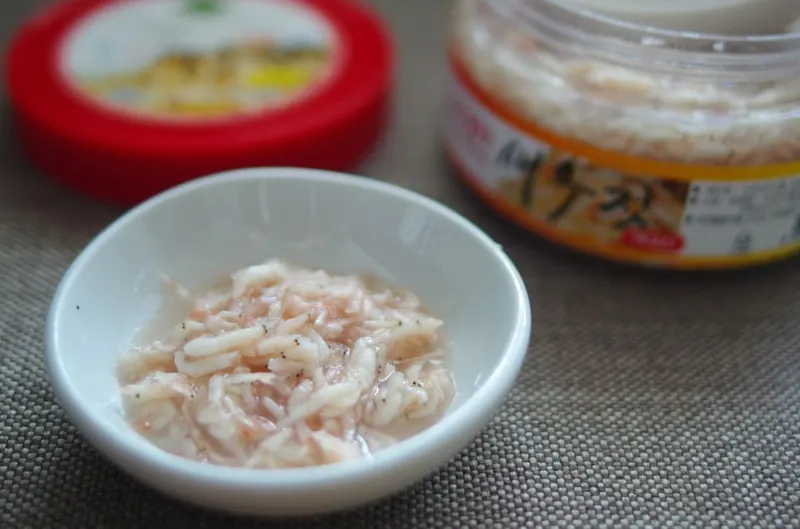
Saeu-jeot is a salted shrimp jeotgal that had the highest production in South Korea in 2020 (Lee 2024). Tiny Acetes shrimp are packed with salt, about 75 parts shrimp to 25 parts salt, and fermented cool for weeks to months while salt-loving bacteria take over and amino acids build up. It is used mainly to season kimchi and kkakdugi and to season stews (Encyclopedia of Korean Culture).
Total time across the recorded steps: 3.3 months – 6.5 months
Start
Drag the bar or press Play
What changes:Solar salt is packed with the fresh shrimp
Step 1 of 4
Salt the fresh shrimp
Time
Not documented
Temperature
Not documented
Salt
20–32 %
Reported
Acidity
Not documented
Which microbes the steps name, step by step
Halomonas
Flavour
Not documented
Texture
Not documented
Colour
Not documented
Microbes at work in this step
Not documented for this step.
Method
Measured measured in a studySet fixed by a specification or tested recipeReported one source reports itTypical a general value, not sourced for this fermentUnconfirmed not yet checked against a source
At a glance
Saeu-jeot is a salted shrimp jeotgal that had the highest production in South Korea in 2020 (Lee 2024). Tiny Acetes shrimp are packed with salt, about 75 parts shrimp to 25 parts salt, and fermented cool for weeks to months while salt-loving bacteria take over and amino acids build up. It is used mainly to season kimchi and kkakdugi and to season stews (Encyclopedia of Korean Culture). Made in 4 steps over 3.3 months – 6.5 months. The longest step, main fermentation, takes 2.3–3.5 months (Lee H 2024). Salt is 20–32 % (Lee H 2024). Salinivibrio, then Staphylococcus and Staphylococcus and Halomonas do most of the fermenting.
Saeu-jeot is a whole-shrimp jeotgal eaten while the shrimp still hold their shape, not a liquefied sauce like aekjeot. The salt level steers which bacteria take over, and one lab study suggests 24–28 % for a safe, tasty result.
Ojeot (오젓)Tiny shrimp salted in May; good as a side dish.
Yukjeot (육젓)Salted in June; the best for kimjang.
Chujeot (추젓)Salted in autumn; good as a side dish.
Dongbaekha-jeot (동백하젓)Salted in winter.
Safety
One lab study at 15 °C, which tracked the bacteria by DNA sequencing, suggests 24–28 % salt may suit safe, tasty saeu-jeot, and its authors call for more study of food safety. At 32 % salt the starting genera stayed dominant to the end; they include Vibrio and may include potentially pathogenic strains. At 20–24 % Halanaerobium made off-flavours after 30–80 days. Korea limits histamine in salt-fermented fish to 200 mg/kg or less. In one producer's tunnel-fermented saeu-jeot no histamine was found and Vibrio and S. aureus stayed below the detection limit, though cadaverine, another biogenic amine, appeared from week 4 or 5 and reached 83 mg/kg in the special grade (43 mg/kg in the general grade).
Hazards the sources name: Vibrio (a dominant genus at the start and still dominant at 32 % salt, by DNA sequencing; by culture, below the detection limit in one producer's tunnel-fermented saeu-jeot).
In the Joseon period so many shrimp were caught that jeot was made from them and eaten nationwide. The Nanho eomokji records fishing boats carrying jars and salt so that shrimp were salted on board as they were caught, and the Sejong Sillok records baekha-jeot and jaha-jeot sent as tribute to Ming China. A 1987 survey of 142 Korean districts recorded 145 kinds of jeotgal, with sea shrimp among the crustaceans used along the western coast.
Starter
The sources we found do not say how its fermentation begins.