Side-by-side or overlay PDF diff driven by one engine that reads each file into a structured model — text, vector geometry, images, form fields, annotations — and compares the models. Moves show as moves, edits show only where they happened, and any PDF type works without picking a mode.
Open a STEP / STP part and it measures itself — volume, thinnest wall, draft and undercut checks on load, plus hole detection with a BOM. Measure, section, export STL. Rust + WASM B-rep kernel, runs in your browser.
Soft drinks from Invented and promoted by Ann Wigmore, who was born in Lithuania
Rejuvelac
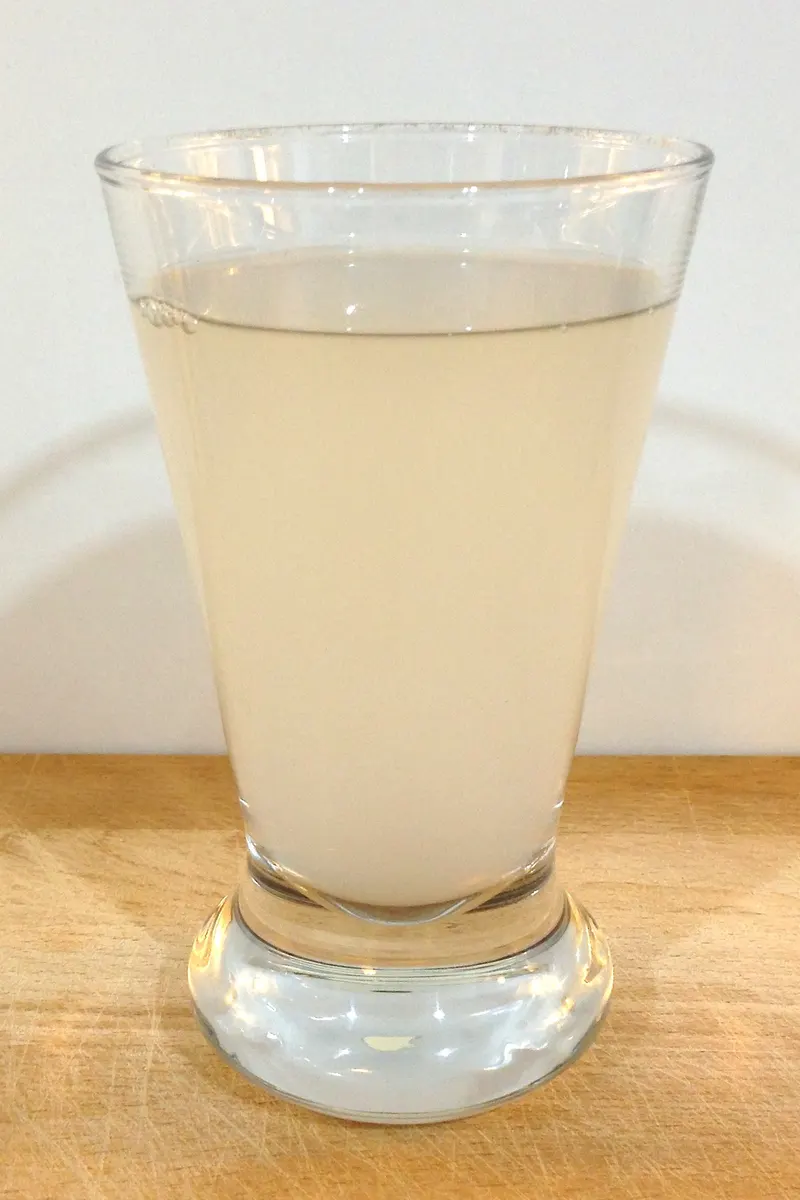
A grain or pseudocereal such as quinoa is soaked and left in fresh water for about two days at room temperature, and the slightly sour, cloudy liquid is poured off. It is drunk or used to start cashew cheese. Without lactic bacteria taking over it can sour poorly, so results vary.
What changes:Grain soaks in water and begins to sprout
Step 1 of 4
Soak the grain
Time
24 h
Reported
Temperature
Not documented
Salt
None given
Acidity
Not documented
Which microbes the steps name, step by step
Pediococcus
Weissella
Output: soaked, sprouting grain.
Flavour
Not documented
Texture
Not documented
Colour
Not documented
Microbes at work in this step
Not documented for this step.
Method
Measured measured in a studySet fixed by a specification or tested recipeReported one source reports itTypical a general value, not sourced for this fermentUnconfirmed not yet checked against a source
At a glance
A grain or pseudocereal such as quinoa is soaked and left in fresh water for about two days at room temperature, and the slightly sour, cloudy liquid is poured off. It is drunk or used to start cashew cheese. Without lactic bacteria taking over it can sour poorly, so results vary. Made in 4 steps over 3 days. The longest step, cover with fresh water and ferment, takes 2 days (Brasileiro C.G. et al. 2026) and runs at 23–27 °C (Brasileiro C.G. et al. 2026). Pediococcus and Weissella does most of the fermenting.
Quinoa rejuvelacA gluten-free version used by plant-cheese makers.
Safety
A 2026 study of spontaneously made quinoa rejuvelac found no lactic bacteria and a pH of only 4.9, with environmental and possibly harmful bacteria dominant; its authors suggest clean water, 20–25 °C, short fermentation and checking for pH below 4.5. A peer-reviewed outbreak investigation in Canada linked Salmonella to cashew cheese started with rejuvelac and held at poorly controlled temperatures.
Hazards the sources name: Salmonella Weltevreden (outbreak traced to cashew cheese made with rejuvelac).
Wikipedia says rejuvelac was invented and promoted by Ann Wigmore, born in Cropos, Lithuania, and that it is closely related to the Romanian drink borș.