Side-by-side or overlay PDF diff driven by one engine that reads each file into a structured model — text, vector geometry, images, form fields, annotations — and compares the models. Moves show as moves, edits show only where they happened, and any PDF type works without picking a mode.
Open a STEP / STP part and it measures itself — volume, thinnest wall, draft and undercut checks on load, plus hole detection with a BOM. Measure, section, export STL. Rust + WASM B-rep kernel, runs in your browser.
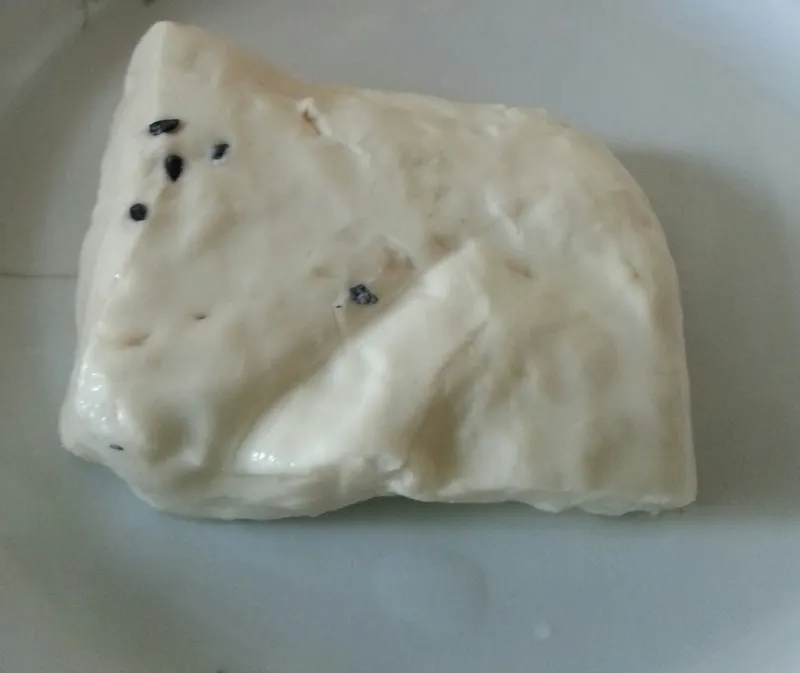
Nabulsi is a white brined cheese set with rennet, not soured by a culture. The curd is pressed, cut, salted and boiled in brine, then stored in brine. A Jordanian laboratory study that followed the traditional method boiled the salted blocks in 18 % brine for 15 minutes, and studies of its oxidation, composition and texture stored it in brine for 5 and 9 months.
Amounts from a sourceNo traditional amounts are given in the sources. The amounts and times here are from one Jordanian laboratory study that followed the traditional method but salted in brine (Abu-Alruz 2009); the 18 % brine also matches Ayyash 2011.
none; the traditional raw milk is set with rennet and no starter culture is added (Abu-Alruz 2009)
Total time across the recorded steps: 3.1 months – 9.1 months
Start
Drag the bar or press Play
What changes:Rennet mixed into warm milk sets it into a curd in half an hour
Step 1 of 8
Warm the milk and add rennet
Time
30 min
Reported
Temperature
37–38 °C
Reported
Salt
None given
Acidity
Not documented
In the laboratory study the milk was raw cow, raw sheep or a 34 % cow and 66 % sheep blend (mashmouleh), set with microbial rennet at 0.011 g/L, with no starter culture. Output: curd.
Flavour
Not documented
Texture
gel
Colour
white
Microbes at work in this step
Not documented for this step.
Method
Measured measured in a studySet fixed by a specification or tested recipeReported one source reports itTypical a general value, not sourced for this fermentUnconfirmed not yet checked against a source
At a glance
Nabulsi is a white brined cheese set with rennet, not soured by a culture. The curd is pressed, cut, salted and boiled in brine, then stored in brine. A Jordanian laboratory study that followed the traditional method boiled the salted blocks in 18 % brine for 15 minutes, and studies of its oxidation, composition and texture stored it in brine for 5 and 9 months. Made in 8 steps over 3.1 months – 9.1 months. The longest step, store in brine, takes 3–9 months (Al-Ismail K.M 2003). Salt is 18 % (Abu-Alruz K 2009).
Nabulsi is boiled in brine after the curd is pressed, cut and salted, then stored in brine. One study followed its fat oxidation over 9 months in jars at room temperature.
Milk
Cow, sheep or goat milk, or a mixture
Storage
Two studies held it in brine for 5 and 9 months to follow its chemistry and texture; in one, total viable count rose after a month
In one study an in-container heat treatment of 115 °C for 2 min, in the absence of NaCl, eliminated mesophilic bacteria, coliforms, Staphylococcus aureus, yeasts and moulds for a year of storage. The study's abstract does not list Clostridium botulinum. Two minutes at 115 °C is below both the 120 °C and the 4 minutes that Japan's farm ministry (MAFF) gives to kill its spores, so it is not a way to can cheese at home. In closed jars, peroxide value and free fatty acids reached about the same level after 9 months in clear or light-protected jars, but 7-ketocholesterol was higher in clear jars. Cheese left on an open tray in air and light oxidised faster than cheese in closed jars.
Hazards the sources name: Mesophilic bacteria, coliforms, Staphylococcus aureus, yeasts and moulds; an in-container heat treatment of 115 °C for 2 min, in the absence of NaCl, eliminated them for a year of storage in one study.
Abu-Alruz and colleagues (2009) call Nabulsi the main traditional cheese produced in Jordan by farmers, seasonal producers and the dairy industry, and link its name to the town of Nablus.