Side-by-side or overlay PDF diff driven by one engine that reads each file into a structured model — text, vector geometry, images, form fields, annotations — and compares the models. Moves show as moves, edits show only where they happened, and any PDF type works without picking a mode.
Open a STEP / STP part and it measures itself — volume, thinnest wall, draft and undercut checks on load, plus hole detection with a BOM. Measure, section, export STL. Rust + WASM B-rep kernel, runs in your browser.
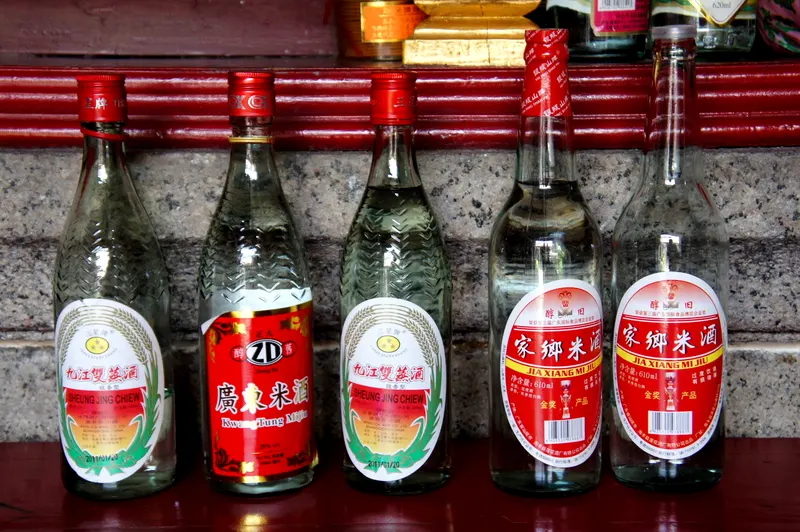
Mijiu is rice fermented with a mould starter, which turns the starch into sugar, and then with yeast, which turns the sugar into alcohol. In China it is usually drunk as a clear rice wine with a balance of sweetness and acidity. In Taiwan, mijiu under the national standard is a spirit distilled from that fermented rice and much used in cooking.
Amounts from a sourceOne laboratory batch that gave 40 L of mash at 12 % alcohol and 9 L of spirit at 40 %. This is a Taiwan rice-spirit method; no source gave a Chinese home recipe.
koji/qu/mold-starter (a pure Rhizopus culture in the laboratory batch), then yeast
Total time across the recorded steps: 15 days – 17 days
Start
Drag the bar or press Play
What changes:Rice simmers in its own weight of water and then cools
Step 1 of 5
Cook the rice in water
Time
30 min
Reported
Temperature
100 °C → 25 °C
Reported
Salt
None given
Acidity
Not documented
Which microbes the steps name, step by step
Rhizopus
Saccharomyces
Yeasts
Output: cooked rice.
Flavour
Not documented
Texture
Not documented
Colour
Not documented
Microbes at work in this step
Not documented for this step.
Method
Measured measured in a studySet fixed by a specification or tested recipeReported one source reports itTypical a general value, not sourced for this fermentUnconfirmed not yet checked against a source
At a glance
Mijiu is rice fermented with a mould starter, which turns the starch into sugar, and then with yeast, which turns the sugar into alcohol. In China it is usually drunk as a clear rice wine with a balance of sweetness and acidity. In Taiwan, mijiu under the national standard is a spirit distilled from that fermented rice and much used in cooking. Made in 5 steps over 15 days – 17 days. The longest step, ferment the mash, takes 12–14 days (Lai C.-H 2014) and runs at 25 °C (Lai C.-H 2014). Rhizopus and Saccharomyces do most of the fermenting.
Mijiu is a clear rice wine, and huangjiu is one popular kind of it. Unlike jiuniang, the unfiltered form with whole rice grains, it is the clear liquid. Under Taiwan's national standard, mijiu (rice spirit) is distilled and made only from rice; a product blended with less than 50 % of its alcohol from other sources may be sold as cooking rice spirit.
Jiuniang / laozaoUnfiltered form with whole rice grains and very low alcohol; see jiuniang-laozao.
Taiwan cooking rice wine (料理米酒)Blended product; less than half of its alcohol may come from sources other than rice.
Mi baijiuStrong distilled spirit from rice; see baijiu-mixiang.
Safety
Taiwan's alcohol hygiene standard (revised 27 December 2016) sets a methanol limit of 1,000 mg per litre of pure ethanol for rice spirit and for cooking rice wine, and a lead limit of 0.3 mg per litre for alcoholic drinks. It also bars toxic or harmful substances from alcohol.
Drinks like mijiu are noted on oracle inscriptions of the late Shang dynasty (about 1200-1046 BCE). Archaeological evidence shows that drinks with rice among their fermentables, often with honey or fruit, go back more than 8,000 years.