Side-by-side or overlay PDF diff driven by one engine that reads each file into a structured model — text, vector geometry, images, form fields, annotations — and compares the models. Moves show as moves, edits show only where they happened, and any PDF type works without picking a mode.
Open a STEP / STP part and it measures itself — volume, thinnest wall, draft and undercut checks on load, plus hole detection with a BOM. Measure, section, export STL. Rust + WASM B-rep kernel, runs in your browser.
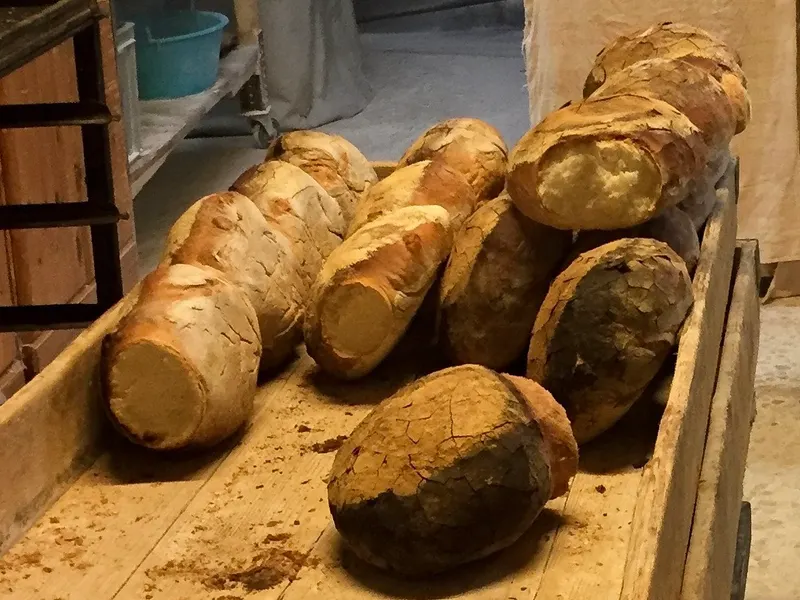
A lump of the previous day's dough is worked into a fresh batch, which rests and rises for a few hours. The dough is weighed into 650 g or 1 kg pieces, shaped into round loaves, risen briefly and baked into a crusty loaf with a very soft crumb.
backslop (a lump of the previous day's dough); one Għargħur baker also makes his starter dough with yeast
Total time across the recorded steps: 3.3 h
Start
Drag the bar or press Play
What changes:A lump of yesterday's dough is kneaded into a fresh batch
Step 1 of 5
Work the old dough into a fresh batch
Time
Not documented
Temperature
Not documented
Salt
None given
Acidity
Not documented
Output: fresh dough.
Flavour
Not documented
Texture
Not documented
Colour
Not documented
Microbes at work in this step
Not documented for this step.
Method
Measured measured in a studySet fixed by a specification or tested recipeReported one source reports itTypical a general value, not sourced for this fermentUnconfirmed not yet checked against a source
At a glance
A lump of the previous day's dough is worked into a fresh batch, which rests and rises for a few hours. The dough is weighed into 650 g or 1 kg pieces, shaped into round loaves, risen briefly and baked into a crusty loaf with a very soft crumb. Made in 5 steps over 3.3 h. The longest step, let the dough rise, takes 3 h (A Maltese Pantry 2021).
Ħobż tal-Malti is a round sourdough loaf, about the size of a dinner plate, baked in a wood-fired or gas oven at about 500 °F. Ftira is a different Maltese bread, a ring of bread stuffed with olives, tomatoes and anchovies (Kliewer 2008).
Bread has long been Malta's staple, and bakeries were once places where villagers came together to bake their own bread. Kliewer 2008 says the British government's 1837 liberalising of the grain import raised the price of wheat, and links this to the revolt of 1919 (the Sette Giugno riots). Qormi, known under the Knights as Casal Fornaro, the bakers' town, is still the island's bread town.