Side-by-side or overlay PDF diff driven by one engine that reads each file into a structured model — text, vector geometry, images, form fields, annotations — and compares the models. Moves show as moves, edits show only where they happened, and any PDF type works without picking a mode.
Open a STEP / STP part and it measures itself — volume, thinnest wall, draft and undercut checks on load, plus hole detection with a BOM. Measure, section, export STL. Rust + WASM B-rep kernel, runs in your browser.
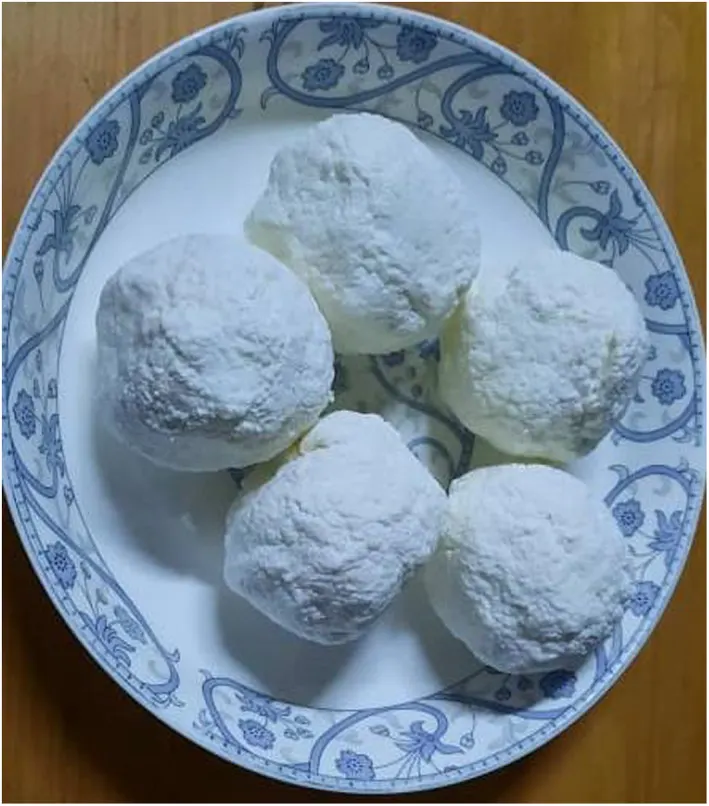
Milk is soured into dahi by back-slopping, churned to take off the butter, and the buttermilk is heated until the casein clumps; the curd is squeezed in cloth and rolled into balls. The curd is set by heating the buttermilk, not by rennet. Kept a week at room temperature, datshi turns slimy and pungent and is called zoety.
Unlike many cottage cheeses, no salt is added[nair2022]
Starter
back-slopping with the previous dahi
Total time across the recorded steps: 7.9 days – 10 days
Start
Drag the bar or press Play
What changes:Boiled milk, seeded with the last batch of dahi, sours into a set curd
Step 1 of 5
Ferment milk into dahi
Time
20 h – 3 days
Reported
Temperature
35 °C
Reported
Salt
None given
Acidity
Not documented
Which microbes the steps name, step by step
Lactic acid bacteria
Yeasts
Moulds
Output: dahi (set fermented milk).
Flavour
Not documented
Texture
Not documented
Colour
Not documented
Microbes at work in this step
lactic bacteria from the previous batch sour the milk
Method
Measured measured in a studySet fixed by a specification or tested recipeReported one source reports itTypical a general value, not sourced for this fermentUnconfirmed not yet checked against a source
At a glance
Milk is soured into dahi by back-slopping, churned to take off the butter, and the buttermilk is heated until the casein clumps; the curd is squeezed in cloth and rolled into balls. The curd is set by heating the buttermilk, not by rennet. Kept a week at room temperature, datshi turns slimy and pungent and is called zoety. Made in 5 steps over 7.9 days – 10 days. The longest step, mature into zoety (optional), takes 7 days (Nair A 2022). Lactococcus lactis subsp. lactis, Enterococcus faecium and E. faecalis does most of the fermenting.
Datshi is made from the buttermilk left after butter is churned from dahi. The milk is fermented first, and only the buttermilk is heated to make the curd, so the cheese is partially defatted and has no added salt.
Milk
Buttermilk from cow-milk dahi
Ripening
Eaten fresh, or matured about a week into zoety
Microbial load
Market datshi had 10.5 log cfu/g total aerobes and 8.3 log cfu/g yeasts and moulds; zoety had 11.3 and 9 log cfu/g
ZoetyFresh datshi kept a few days to a week at room temperature until slimy and pungent; used in small amounts to flavour curry.
Safety
Market samples carried very high microbial loads (total aerobes 10.5 log cfu/g), much higher than a lab make from boiled milk; the authors tie this to hygiene in handling.
Datshi is the most common dairy product in Bhutan; the country made 3953 tonnes of it in 2018, all used within Bhutan. A 2024 study quoting the 2022 national census says 2,382 tonnes of Bhutan's milk went into datshi and 1,508 tonnes into butter, and that datshi making has changed little, being milk fermented for a few days at room temperature without pasteurisation.