Side-by-side or overlay PDF diff driven by one engine that reads each file into a structured model — text, vector geometry, images, form fields, annotations — and compares the models. Moves show as moves, edits show only where they happened, and any PDF type works without picking a mode.
Open a STEP / STP part and it measures itself — volume, thinnest wall, draft and undercut checks on load, plus hole detection with a BOM. Measure, section, export STL. Rust + WASM B-rep kernel, runs in your browser.
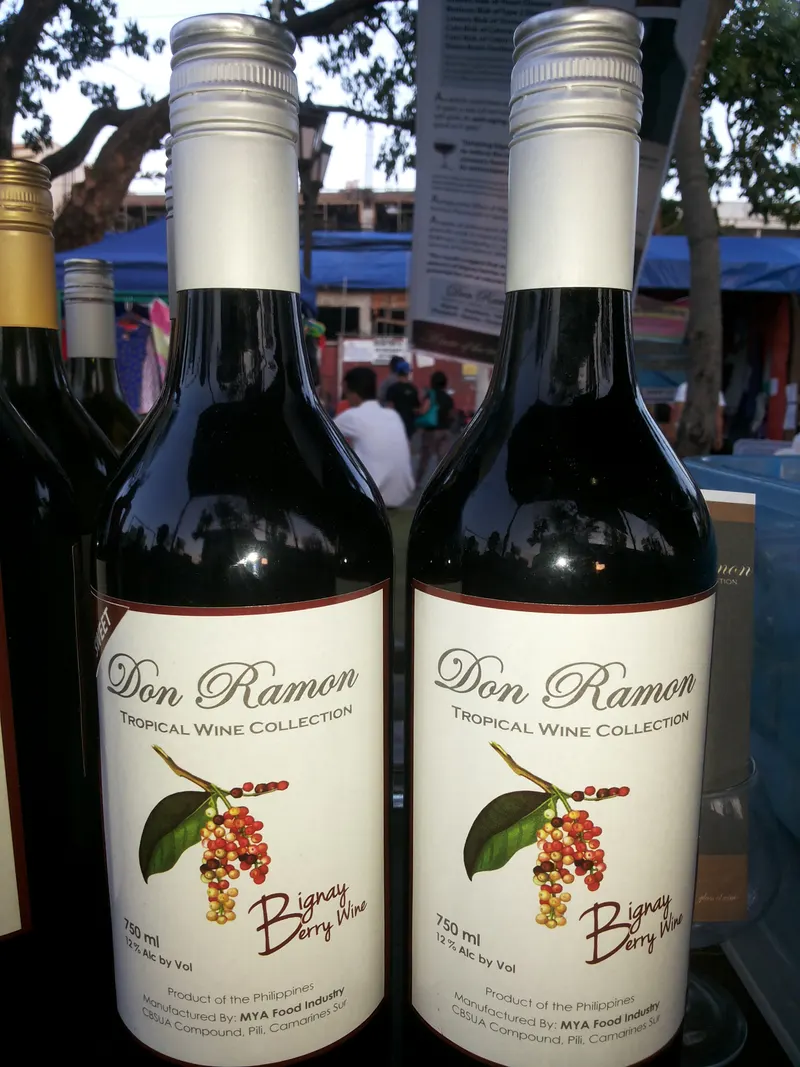
Bignay wine (Philippine Antidesma fruit wine)bignay
Bignay wine is a red fruit wine made from the berries of the bignay tree (Antidesma bunius). The berries are crushed and diluted with three parts water, then fermented on their skins and pulp for three days with wine yeast before the skins are removed. The wine is rich in anthocyanins and phenolics; it is traditionally aged in glass or plastic, and local wooden barrels have been tested.
defined-culture (Saccharomyces cerevisiae var. ellipsoideus)
Total time across the recorded steps: 3.1 months
Start
Drag the bar or press Play
What changes:Bignay berries are crushed and mixed with three parts water
Step 1 of 4
Crush the berries and dilute with water
Time
Not documented
Temperature
Not documented
Salt
None given
Acidity
Not documented
Which microbes the steps name, step by step
Yeasts
Saccharomyces cerevisiae
Output: must.
Flavour
Not documented
Texture
Not documented
Colour
Not documented
Microbes at work in this step
Not documented for this step.
Method
Measured measured in a studySet fixed by a specification or tested recipeReported one source reports itTypical a general value, not sourced for this fermentUnconfirmed not yet checked against a source
At a glance
Bignay wine is a red fruit wine made from the berries of the bignay tree (Antidesma bunius). The berries are crushed and diluted with three parts water, then fermented on their skins and pulp for three days with wine yeast before the skins are removed. The wine is rich in anthocyanins and phenolics; it is traditionally aged in glass or plastic, and local wooden barrels have been tested. Made in 4 steps over 3.1 months. The longest step, age in glass, plastic or wood, takes 3 months (Balagot K.W. et al. 2025). Saccharomyces cerevisiae var. ellipsoideus does most of the fermenting.
Bignay wine is made from a berry diluted with three parts water and given only three days on its skins and pulp. Its anthocyanin content was higher than in three commercial red wines it was compared with.
A 2006 thesis at the University of the Philippines Los Baños tested bignay from Los Baños, Santa Cruz and Pagsanjan and found the best dilution, skin-contact time and yeast strain.