Side-by-side or overlay PDF diff driven by one engine that reads each file into a structured model — text, vector geometry, images, form fields, annotations — and compares the models. Moves show as moves, edits show only where they happened, and any PDF type works without picking a mode.
Open a STEP / STP part and it measures itself — volume, thinnest wall, draft and undercut checks on load, plus hole detection with a BOM. Measure, section, export STL. Rust + WASM B-rep kernel, runs in your browser.
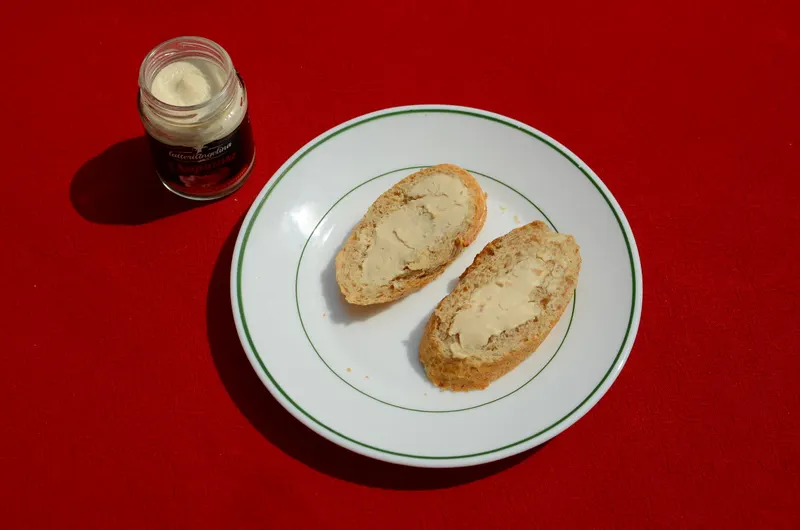
Whey left from cheesemaking is heated to 75–80 °C, and the ricotta that floats up is drained for 3–4 days until it starts to turn rancid. It is then salted, packed into glazed clay tubs and stirred every other day for 2–6 months. Lactobacilli and fat breakdown turn it into a creamy, very sharp spread.
Amounts from a sourceThe regional sheet gives the salt rate (20 g per kg of ricotta) and up to 10–12 % added milk; the whey volume is whatever the day's cheesemaking leaves.
Whey from cheesemaking
Ewe, goat, cow or mixed whey, filtered through a fine sieve[puglia-pat-rf]
Total time across the recorded steps: 2.1 months – 6.1 months
Start
Drag the bar or press Play
What changes:Hot whey throws up flakes of curd that float to the top
Step 1 of 5
Heat the whey
Time
5–10 min
Reported
Temperature
75–80 °C
Reported
Salt
None given
Acidity
Not documented
Which microbes the steps name, step by step
Lactobacilli
Output: ricotta flakes floating on the whey.
Flavour
Not documented
Texture
Not documented
Colour
Not documented
Microbes at work in this step
Not documented for this step.
Method
Measured measured in a studySet fixed by a specification or tested recipeReported one source reports itTypical a general value, not sourced for this fermentUnconfirmed not yet checked against a source
At a glance
Whey left from cheesemaking is heated to 75–80 °C, and the ricotta that floats up is drained for 3–4 days until it starts to turn rancid. It is then salted, packed into glazed clay tubs and stirred every other day for 2–6 months. Lactobacilli and fat breakdown turn it into a creamy, very sharp spread. Made in 5 steps over 2.1 months – 6.1 months. The longest step, ferment, stirring every other day, takes 2–6 months (Regione Puglia). Lactobacilli, 33 strains of 10 species including Lactobacillus kefiri, L. paracasei, L. plantarum and L. paraplantarum does most of the fermenting.
Ricotta forte is left to drain and go rancid, then stirred in clay tubs for months, so lactobacilli and fat breakdown make a sharp spread. In samples from 14 manufacturers, fat breakdown was the main change and protein breakdown stayed moderate.
Milk
Whey from ewe, goat, cow or mixed cheesemaking, with up to 10–12 % milk
Ripening
2–6 months in clay or plastic tubs
Composition
Moisture 62–66 %; fat 57–60 % of dry matter in samples from 14 manufacturers
The regional sheet relies on careful cleaning of the wooden and clay tools and on rejecting any batch with an odd colour, smell or taste. Stirring every other day keeps mould from growing.
Puglia lists it as a traditional product whose method has stayed constant for longer than the 25 years the listing requires. It is made all year but mostly from October to May.