Side-by-side or overlay PDF diff driven by one engine that reads each file into a structured model — text, vector geometry, images, form fields, annotations — and compares the models. Moves show as moves, edits show only where they happened, and any PDF type works without picking a mode.
Open a STEP / STP part and it measures itself — volume, thinnest wall, draft and undercut checks on load, plus hole detection with a BOM. Measure, section, export STL. Rust + WASM B-rep kernel, runs in your browser.
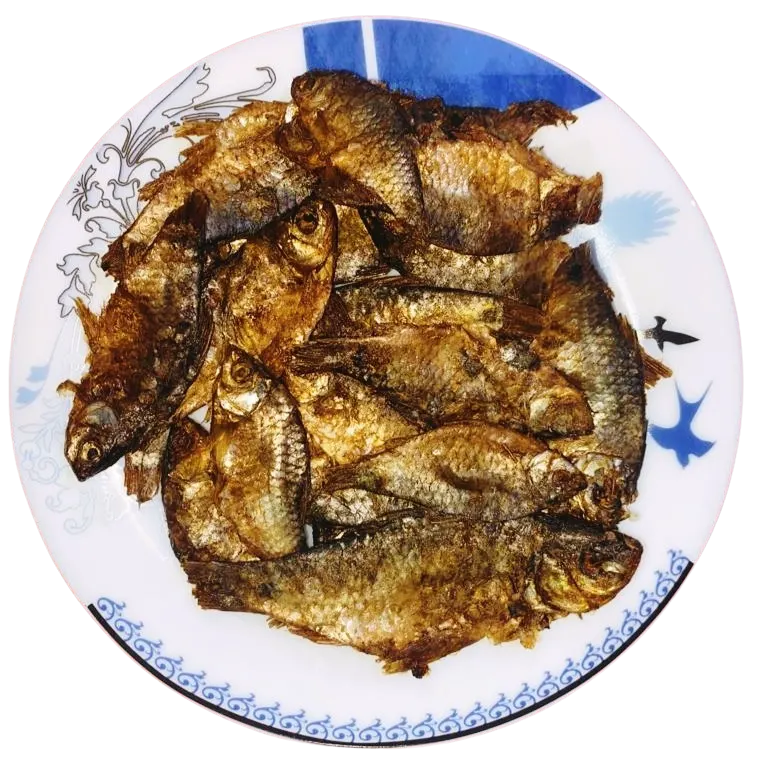
Ngari is Manipur's unsalted fermented fish. Small sun-dried pool barbs (Puntius sophore) are packed tightly into an earthen pot, sealed, and left at room temperature for about five months to a year, with no salt at all. Salt-tolerant cocci and lactic acid bacteria take turns over the months.
Fully documentedFish and seafood5 months – 12 months
Total time across the recorded steps: 5 months – 12 months
Start
Drag the bar or press Play
What changes:Small barbs dry in the sun, with no salt
Step 1 of 4
Sun-dry the fish without salt
Time
Not documented
Temperature
Not documented
Salt
None given
Acidity
Not documented
Which microbes the steps name, step by step
T. halophilus
Lactobacillus pobuzihii
Enterococcus faecium
Bacillus indicus
Lactobacillus
Flavour
Not documented
Texture
Not documented
Colour
Not documented
Microbes at work in this step
Not documented for this step.
Method
Measured measured in a studySet fixed by a specification or tested recipeReported one source reports itTypical a general value, not sourced for this fermentUnconfirmed not yet checked against a source
At a glance
Ngari is Manipur's unsalted fermented fish. Small sun-dried pool barbs (Puntius sophore) are packed tightly into an earthen pot, sealed, and left at room temperature for about five months to a year, with no salt at all. Salt-tolerant cocci and lactic acid bacteria take turns over the months. Made in 4 steps over 5 months – 12 months. The longest step, ferment at room temperature, takes 5–12 months (Narzary Y 2021). Salt is 0 % (Majumdar R.K 2015). Staphylococcus cohnii subsp. cohnii and Tetragenococcus halophilus subsp. flandriensis do most of the fermenting.
Ngari has no salt to hold back bacteria. A review lists Staphylococcus aureus among the bacteria reported in ngari, and one study's DNA profiling detected Clostridium irregulare throughout fermentation; its abstract does not call that species harmful. Acid does not protect it either. Ngari measured pH 6.1 or higher, well above the pH 4.6 below which WHO says Clostridium botulinum cannot grow, and the sealed pot keeps air out. The only other barrier the sources show is dryness (fish below 10 % moisture, finished ngari about 30–36 %), and no study we read tested ngari for C. botulinum. WHO names fermented fish among the foods that have carried the toxin, so this is not a home project.
Hazards the sources name: Staphylococcus aureus (reported in ngari).
Majumdar et al. 2015 note that the north-eastern Indian states have so much rain that drying does not preserve food well, so fermentation and salting became the preferred preservation methods. They call ngari a compulsory condiment in the daily diet of the north-east, especially Manipur, made from sun-dried, salt-free barb that is usually imported from the Brahmaputra valley of Assam and from Bangladesh. Wikipedia says the name comes from the Meitei words nga (fish) and ri (the process of fermentation).