Side-by-side or overlay PDF diff driven by one engine that reads each file into a structured model — text, vector geometry, images, form fields, annotations — and compares the models. Moves show as moves, edits show only where they happened, and any PDF type works without picking a mode.
Open a STEP / STP part and it measures itself — volume, thinnest wall, draft and undercut checks on load, plus hole detection with a BOM. Measure, section, export STL. Rust + WASM B-rep kernel, runs in your browser.
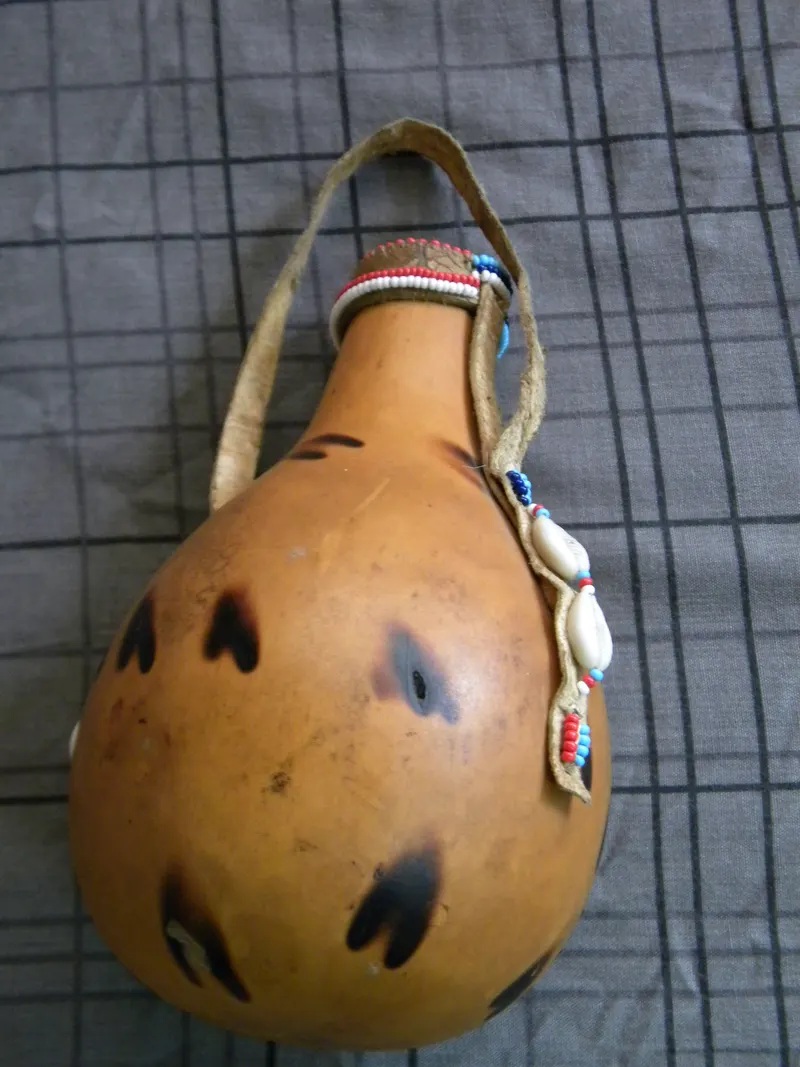
Boiled and cooled cow's milk is poured into a gourd (sotet) whose inside has been coated with fresh charcoal from chosen trees, then left closed for three to five days or longer and stirred or shaken. Lactic bacteria and yeasts sour it, and the charcoal turns it bluish-grey and smoky. Mursik is a Kalenjin drink, served at the close of marriage negotiations and to athletes returning home.
No fixed amounts recordedHousehold method with no fixed amounts.
Cow's milk, boiled and cooled
Milk is usually boiled before natural fermentation all over Kenya[fao-tmp][hawaz2025]
Charcoal from a chosen tree
Senna didymobotrya is the first choice in Trans-Nzoia; the Tugen use Euclea divinorum[mureithi2000]
Leftover mursik from earlier batches (backslopping)
Hawaz et al. report that backslopping is practised in making mursik[hawaz2025]
Starter
backslop: leftover mursik from earlier batches (Hawaz et al. 2025)
Total time across the recorded steps: 3 days
Start
Drag the bar or press Play
What changes:The milk gourd is cleaned out and left to dry
Step 1 of 5
Clean and dry the gourd
Time
Not documented
Temperature
Not documented
Salt
None given
Acidity
Not documented
Which microbes the steps name, step by step
Lactobacilli
Yeasts
L. casei
Levilactobacillus brevis
Lactobacillus helveticus
Output: clean, dry gourd.
Flavour
Not documented
Texture
Not documented
Colour
Not documented
Microbes at work in this step
Not documented for this step.
Method
Measured measured in a studySet fixed by a specification or tested recipeReported one source reports itTypical a general value, not sourced for this fermentUnconfirmed not yet checked against a source
At a glance
Boiled and cooled cow's milk is poured into a gourd (sotet) whose inside has been coated with fresh charcoal from chosen trees, then left closed for three to five days or longer and stirred or shaken. Lactic bacteria and yeasts sour it, and the charcoal turns it bluish-grey and smoky. Mursik is a Kalenjin drink, served at the close of marriage negotiations and to athletes returning home. Made in 5 steps over 3 days. The longest step, ferment in the closed gourd, takes at least 3 days (Hawaz H 2025). In eight family starter cultures, lactobacilli and Yeasts in every starter studied (Candida krusei, C. kefyr, Cyberlindnera sphaerica, Saccharomyces fermentati); 7–90 % of the microbes do most of the fermenting.
Mursik is boiled before souring and fermented in a gourd lined with crushed charcoal, which gives its grey colour and smoky taste. It is also stirred while it ferments, a practice Hawaz et al. say is not commonly seen in other fermented milks, and Maasai kule naoto is made from raw milk.
MariwaAnother Kenyan milk coloured with charcoal of the senetwet tree (FAO).
Tugen murskik (Baringo)Charcoal from Euclea divinorum.
Safety
In a lab test without charcoal, seven of eight family starter cultures made acetaldehyde above the 100 µmol/L level counted as mutagenic, and four made more than 1,000 µmol/L; the four strongest also had about 79.4 mmol/L ethanol (Nieminen et al. 2013). A Nandi County hospital case-control study of 32 cases and 128 controls linked frequent mursik drinking with about nine times the odds of oesophageal cancer (95 % CI 3.1–26.6; Mutai and Mweu 2025). The charcoal may add polycyclic aromatic hydrocarbons, though the Nieminen authors say it could also bind toxins. Boiling the milk does not remove this risk, because the milk in the Nieminen study was boiled first.
Treating milk with tree charcoal is an old practice of Kenya's pastoral peoples, who used it to keep milk through the dry season, to improve its taste and smell and for its colour; farmers in Trans-Nzoia still rank and plant the trees for it (Mureithi et al. 2000). Mursik is the Kalenjin word for fermented milk.