Side-by-side or overlay PDF diff driven by one engine that reads each file into a structured model — text, vector geometry, images, form fields, annotations — and compares the models. Moves show as moves, edits show only where they happened, and any PDF type works without picking a mode.
Open a STEP / STP part and it measures itself — volume, thinnest wall, draft and undercut checks on load, plus hole detection with a BOM. Measure, section, export STL. Rust + WASM B-rep kernel, runs in your browser.
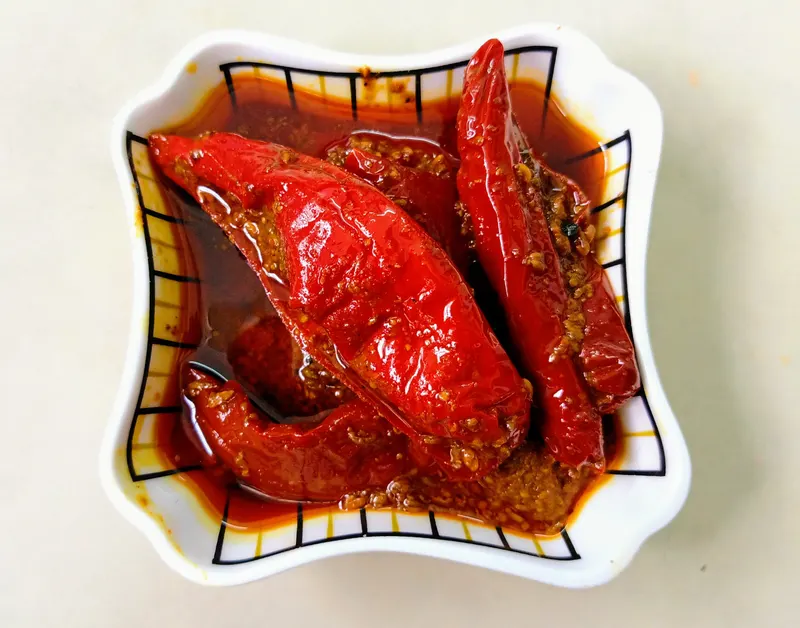
Dry-salted lime pickle (nimbu ka achar, salt-only)नींबू का अचार
Quartered ripe limes are layered with dry salt, 1 kg for every 4 kg of fruit, and weighted under a cloth until their own juice forms a brine in about a day. The container then stands in the sun, and the limes ferment for one to four weeks, giving off bubbles of carbon dioxide, until they are sour.
Amounts from a sourceFAO's description of the dry-salting method, with the salt given per 4 kg of limes. It names no batch size beyond filling the barrel three quarters full.
No anti-caking agents; lime, iron or magnesium impurities spoil the pickle[fao134]
Spices with oil or vinegarTo local taste
Added when the limes are packed; chilli is common in India and Pakistan[fao134]
Starter
spontaneous
Total time across the recorded steps: 8 days – 29 days
Start
Drag the bar or press Play
What changes:Ripe limes are washed and cut into quarters
Step 1 of 4
Wash and quarter ripe limes
Time
Not documented
Temperature
Not documented
Salt
None given
Acidity
Not documented
Only fully ripe limes without bruises are used; slicing the skin is an alternative to quartering. Output: lime quarters.
Flavour
Not documented
Texture
Not documented
Colour
Not documented
Microbes at work in this step
Not documented for this step.
Method
Measured measured in a studySet fixed by a specification or tested recipeReported one source reports itTypical a general value, not sourced for this fermentUnconfirmed not yet checked against a source
At a glance
Quartered ripe limes are layered with dry salt, 1 kg for every 4 kg of fruit, and weighted under a cloth until their own juice forms a brine in about a day. The container then stands in the sun, and the limes ferment for one to four weeks, giving off bubbles of carbon dioxide, until they are sour. Made in 4 steps over 8 days – 29 days. The longest step, stand in the sun and ferment, takes 7–28 days (Battcock M 1998). Salt is 25 % (Battcock M 1998).
This pickle is made with dry salt only, and the limes make their own brine. The brined lime pickle is dipped in hot water first, covered with brine, then sun-dried until the skin browns.
Brined lime pickleLimes dipped in hot water at 60–65 °C for about 5 minutes, cut, covered with brine for 24 hours to ferment, then sun-dried for 2–3 days until the skin turns brown [fao134].
Lamoun makbous (Levant and North Africa)Sliced lemons covered in salt for at least 24 hours, then drained and packed in oil and spices [fao134].
Safety
The finished pickle is high in acid, so FAO rates the risk of food poisoning as low; keep it in a cool place [fao134]. Market Indian pickles are high in acid (low pH) [kharat2016].
Wikipedia's article on South Asian pickle says the Sanskrit epic Nalachampu (915 CE) describes pickles made from lemon and lime among other fruits, and that medieval cookbooks such as the Manasollasa (1130 CE) give pickle recipes using lemons and limes [wp-pickle].