Side-by-side or overlay PDF diff driven by one engine that reads each file into a structured model — text, vector geometry, images, form fields, annotations — and compares the models. Moves show as moves, edits show only where they happened, and any PDF type works without picking a mode.
Open a STEP / STP part and it measures itself — volume, thinnest wall, draft and undercut checks on load, plus hole detection with a BOM. Measure, section, export STL. Rust + WASM B-rep kernel, runs in your browser.
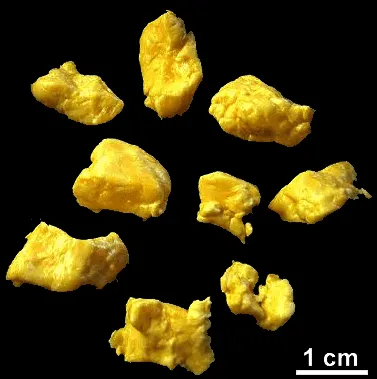
Cheese curds are Cheddar curd sold before it is pressed into blocks. Milk is cultured, set with rennet, cut and cooked; the curd is matted, cut into slabs, milled into pieces and salted. The pieces are sold right after making and kept at room temperature for a day for the best texture.
lactic culture; a thermophilic-based starter in one study
Total time across the recorded steps: 24 h
Start
Drag the bar or press Play
What changes:Culture and rennet go into the milk and it sets
Step 1 of 6
Culture and set the milk
Time
Not documented
Temperature
Not documented
Salt
None given
Acidity
Not documented
Which microbes the steps name, step by step
S. thermophilus
Lactococcus cremoris
Output: set curd.
Flavour
Not documented
Texture
Not documented
Colour
Not documented
Microbes at work in this step
lactic culture starts the acid; rennet sets the milk
Method
Measured measured in a studySet fixed by a specification or tested recipeReported one source reports itTypical a general value, not sourced for this fermentUnconfirmed not yet checked against a source
At a glance
Cheese curds are Cheddar curd sold before it is pressed into blocks. Milk is cultured, set with rennet, cut and cooked; the curd is matted, cut into slabs, milled into pieces and salted. The pieces are sold right after making and kept at room temperature for a day for the best texture. Made in 6 steps over 24 h. The longest step, sell fresh at room temperature, takes 24 h (St-Gelais D 2009). Streptococcus thermophilus, dominant during making and Lactococcus cremoris do most of the fermenting.
Flavoured curdsMade with a diacetyl-producing Lactococcus strain for a buttery flavour and slower souring.
Safety
US Cheddar rules (21 CFR 133.113) require pasteurised milk, or curing for at least 60 days at 35 °F or above. Fresh curds are not cured, so make them from pasteurised milk. The paper cited describes retail practice of 24 h at room temperature, then storage at 4 °C.
In 2009 a Canadian team reported that Cheddar cheese in curd form was very popular in eastern Canada, sold straight after making and with a shelf life of about 3 days. Natural cheese curd sales in the US reached about $52 million in 2021, and fresh curds were still bought mostly in the Midwest. In 2022 the University of Wisconsin Center for Dairy Research began a project on why fresh curds lose their squeak.