Side-by-side or overlay PDF diff driven by one engine that reads each file into a structured model — text, vector geometry, images, form fields, annotations — and compares the models. Moves show as moves, edits show only where they happened, and any PDF type works without picking a mode.
Open a STEP / STP part and it measures itself — volume, thinnest wall, draft and undercut checks on load, plus hole detection with a BOM. Measure, section, export STL. Rust + WASM B-rep kernel, runs in your browser.
Cheese from Franche-Comté and neighbouring parts of eastern France
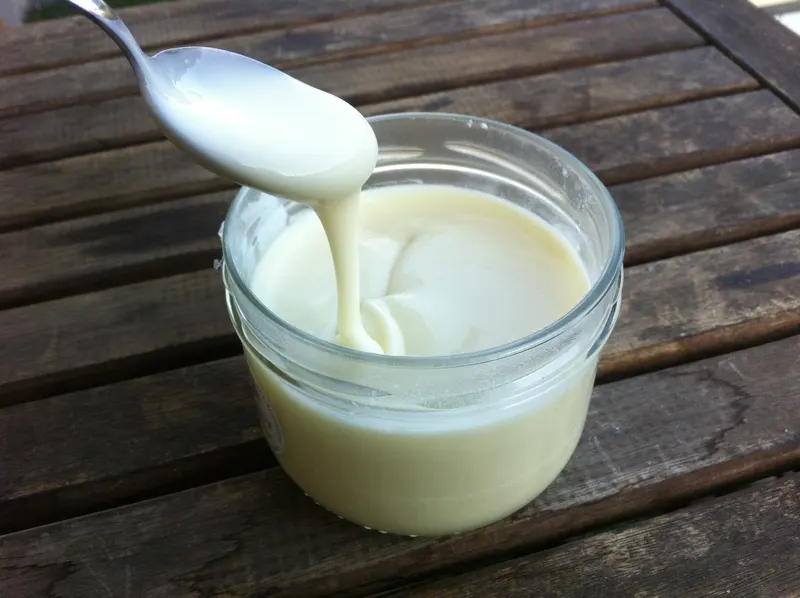
Cancoillotte
Skimmed cow milk is set into a white curd called metton, which is crumbled and ripened by yeasts for at least 12 hours at 20 °C or warmer. The ripened metton is then melted with water and butter into a semi-liquid to stringy, slightly sticky cheese and packed hot, above 65 °C.
Spices, seasonings and condiments up to 5 %; mushrooms, aromatic herbs and nuts up to 10 %; white wine (Chardonnay, Savagnin, Aligoté or Jura PDO wines), liqueur wine, absinthe or kirsch up to 20 %[canco-cdc-2022]
Starter
lactic cultures for the metton; yeasts ripen it
Total time across the recorded steps: 12 h
Start
Drag the bar or press Play
What changes:The cream is taken off the milk
Step 1 of 6
Skim the milk
Time
Not documented
Temperature
Not documented
Salt
None given
Acidity
Not documented
Which microbes the steps name, step by step
Yeasts
Output: skimmed cow milk.
Flavour
Not documented
Texture
Not documented
Colour
Not documented
Microbes at work in this step
Not documented for this step.
Method
Measured measured in a studySet fixed by a specification or tested recipeReported one source reports itTypical a general value, not sourced for this fermentUnconfirmed not yet checked against a source
At a glance
Skimmed cow milk is set into a white curd called metton, which is crumbled and ripened by yeasts for at least 12 hours at 20 °C or warmer. The ripened metton is then melted with water and butter into a semi-liquid to stringy, slightly sticky cheese and packed hot, above 65 °C. Made in 6 steps over 12 h. The longest step, ripen the grains with yeasts, takes at least 12 h (Ministère de l'agriculture 2022) and runs at at least 20 °C (Ministère de l'agriculture 2022). Lactic cultures and Yeasts that ripen the crumbled metton do most of the fermenting.
A low-fat skim-milk curd (metton) ripens with yeasts and is then melted with butter and water into a semi-liquid cheese, so the finished cheese holds less than 15 % fat.
Milk
Skimmed cow milk, made into metton
Ripening
Metton ripened at least 12 hours at 20 °C or more, then melted
Composition
At least 20 % dry matter; fat below 15 % of total weight
Farms of the lowlands, from the Ain to the former Lorraine, kept the cream for butter and made the skim milk into metton, a cheese not fit to eat as it is, which was ripened and melted into cancoillotte; it was the everyday household cheese until dairies became collective. The specification cites Dondaine's 1978 linguistic atlas of Franche-Comté as showing the word in regular use since at least the 19th century, says industrial making began after the First World War and grew in the mid-20th century, and notes a special ration card for it in 1939–1945. A 1928 USDA bulletin lists "Canquillote, Cancoillotte, or Fromagère" of eastern France as a cooked cheese of the fromage fort kind. The EU registered the name as a PGI in 2022.