Side-by-side or overlay PDF diff driven by one engine that reads each file into a structured model — text, vector geometry, images, form fields, annotations — and compares the models. Moves show as moves, edits show only where they happened, and any PDF type works without picking a mode.
Open a STEP / STP part and it measures itself — volume, thinnest wall, draft and undercut checks on load, plus hole detection with a BOM. Measure, section, export STL. Rust + WASM B-rep kernel, runs in your browser.
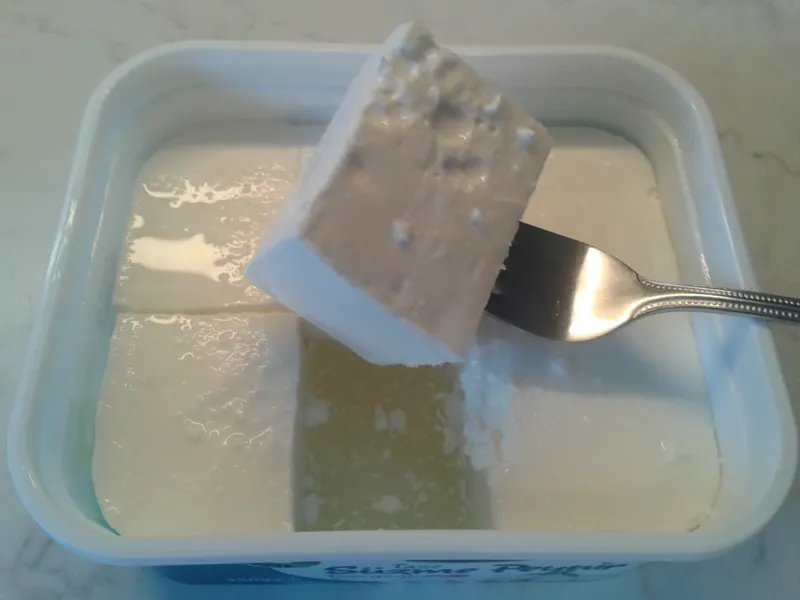
Beyaz peynir is among the most produced industrial cheeses in Turkey, a white, brined block cheese with a salty, acid taste. In the pilot-plant make cited, pasteurised milk is cultured and renneted at 32 °C, cut, pressed into a curd sheet (teleme) and cut into blocks. The blocks are salted in strong brine and ripen in weaker brine in the cold for weeks to months.
Total time across the recorded steps: 2.1 months – 3.3 months
Start
Drag the bar or press Play
What changes:The milk is held at 65 °C for 30 minutes
Step 1 of 6
Pasteurise the milk
Time
30 min
Reported
Temperature
65 °C
Reported
Salt
None given
Acidity
Not documented
Which microbes the steps name, step by step
Lactococcus lactis
Output: pasteurised milk.
Flavour
Not documented
Texture
Not documented
Colour
Not documented
Microbes at work in this step
Not documented for this step.
Method
Measured measured in a studySet fixed by a specification or tested recipeReported one source reports itTypical a general value, not sourced for this fermentUnconfirmed not yet checked against a source
At a glance
Beyaz peynir is among the most produced industrial cheeses in Turkey, a white, brined block cheese with a salty, acid taste. In the pilot-plant make cited, pasteurised milk is cultured and renneted at 32 °C, cut, pressed into a curd sheet (teleme) and cut into blocks. The blocks are salted in strong brine and ripen in weaker brine in the cold for weeks to months. Made in 6 steps over 2.1 months – 3.3 months. The longest step, ripen in brine in the cold, takes 2.1–3.3 months (Güven M 2006) and runs at 4–8 °C (Yaman H 2023). Salt is 16 % (Yaman H 2023). Lactococcus lactis subsp. lactis and subsp. cremoris does most of the fermenting.
Beyaz peynir is pressed into a flat curd sheet (teleme) before it is cut into blocks. Brine strength matters. In a nine-week trial, brines stronger than 14 g NaCl per 100 g water went with less proteolysis and lower acceptability than a 12 g brine.
Milk
Cow milk in the studies cited; the cheese is also made from other milks
Ripening
At least three weeks for fresh classic cheese; up to six months for Ezine-type cheese
Brine
12, 14, 16 or 18 g NaCl per 100 g water in the four brines of one trial; the 12 g brine gave the best flavour and acceptability
Ezine peyniriA white cheese ripened up to six months.
Kırklareli beyaz peyniriA protected origin name for white cheese from Kırklareli province, made from cow milk or a sheep, goat and cow blend, pasteurised at 63–65 °C and ripened at least 6 months in tins of brine.
Safety
The pilot-plant make used pasteurised cow milk (65 °C for 30 min) and ripened the cheese in 12 % brine at 4 °C; the salt trial ripened it at 7 ± 1 °C for 9 weeks.
The TÜRKPATENT specification for the regional style Kırklareli Beyaz Peyniri says it has been made since the 18th century. That name was filed on 6 July 2018 and registered as a protected origin name, No. 636, on 23 December 2020.